

This short story is for English learners at A2–B1 level. The sentences are short, the words are common, and the story is easy to follow. Read it once just for the story. Then read it again slowly, and look at the idioms, the new words, and the questions at the end.
It is a story about two brothers, a long distance, and a family that almost breaks — and about the small promises that can hold a family together. If you enjoy warm stories like this one, you can also read The Kind Stranger and The Last Train Home.
Take your time with it. Read a little, rest, and read again. Your English grows quietly, story by story — just like a family grows stronger, talk by talk.
Read it when you have ten quiet minutes — on the bus, at home, or before you sleep. Stories are a gentle way to learn: you meet real feelings and real family words, and you remember them because the people stay in your heart.
The Story
Omar was twenty-eight years old, and he was the older of two brothers. Two years ago, he left his small village and moved to the big city. There, he found a job in a large warehouse. The work was hard, and the days were long. He lifted heavy boxes from morning until night, and he came home too tired to cook, too tired to read, too tired to do anything but sleep.
But Omar never forgot his family. Every month, on the day he was paid, he sent money home to support his mother and Yusuf — money for food, for medicine, and for the roof of the old house. He was proud that he could help. What he did not send was his voice. Week after week passed, and he rarely called. There was always work. There was always tomorrow.
Yusuf, his younger brother, was twenty-four. He stayed in the village with their mother. Every morning he opened his small bicycle shop near the market, and all day he repaired bicycles for neighbours and schoolchildren. He liked the work. His hands were quick, and people trusted him. “If Yusuf fixes it,” they said, “it stays fixed.”
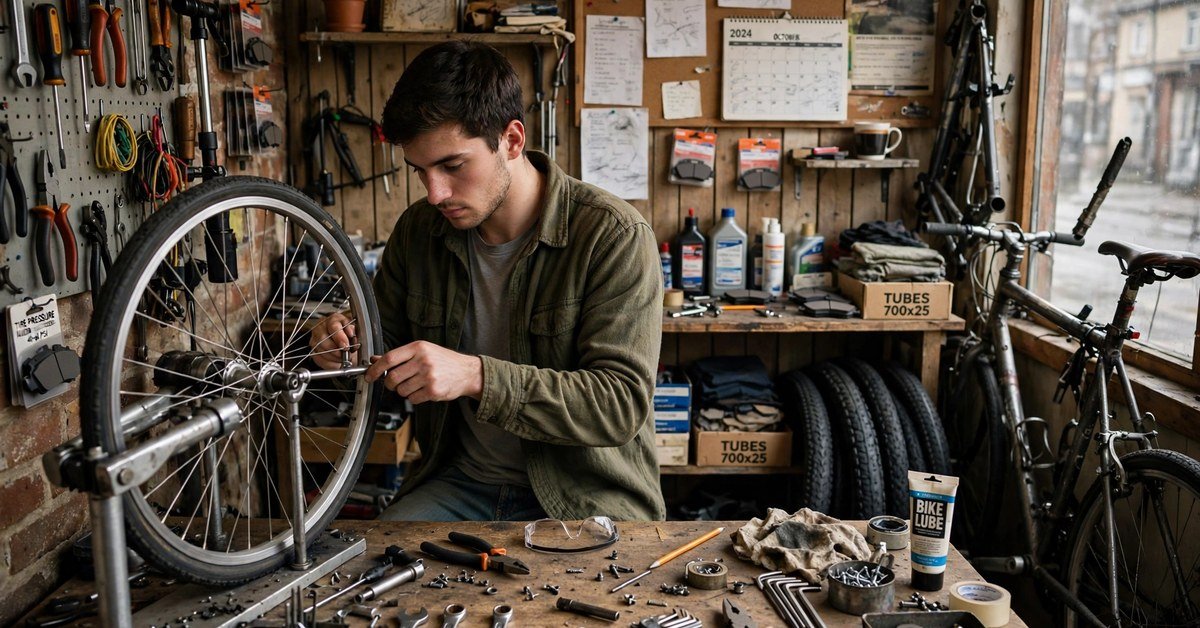
But Yusuf carried more than bicycles. He took his mother to the doctor. He bought the food, he fixed the house, and at night he listened to her worries alone. Their father was dead, and Omar was far away. The distance between the city and the village was only six hours by bus — but some days, it felt like the other side of the world. The brothers did not keep in touch, and slowly, Yusuf began to feel that Omar had forgotten them.
One Thursday evening, Yusuf called his brother after a long, hot day. Their mother had a bad cough, and the shop roof was leaking. He wanted a little help, and — if he was honest — he wanted to hear his brother’s voice. But Omar had just finished twelve hours of work. His back hurt, and his head was full of noise. The talk started badly and quickly turned worse. They began to argue.
“You send money,” Yusuf said. “That’s all. Money is not the same as being here.”
“I’m working for all of us!” Omar shouted. “Do you think the city is easy?”
“And do you think it is easy here, alone?” Yusuf said. Then there was a long silence, and Omar put down the phone.

After that night, the brothers did not speak. A week passed, then two, then a whole month. Yusuf repaired bicycles and said nothing. Omar lifted boxes and said nothing. Their mother noticed the silence. “Call your brother,” she told Yusuf one evening. “He is busy, Amma,” Yusuf said, and he looked away.
Then, one cold morning, Yusuf found his mother in bed, weak and hot with fever. He took her to the hospital in the town at once. The doctor said she needed rest, medicine, and care — and that she must stay for some days. Yusuf sat by her bed all day, holding her hand. In the evening, he picked up his phone. This time, there was no anger in his voice. “Omar,” he said quietly, “it’s Mum. She’s in hospital. Please come.”
Omar did not wait. He spoke to his boss, took the first night bus, and travelled six hours through the dark. He could not sleep. He thought about his mother in a hospital bed, and about Yusuf, alone beside her. He thought about being boys — two small brothers on one old bicycle, Yusuf laughing on the back, holding his shoulders. “I have been a bad brother,” he whispered to the window. “Please let me not be too late.”
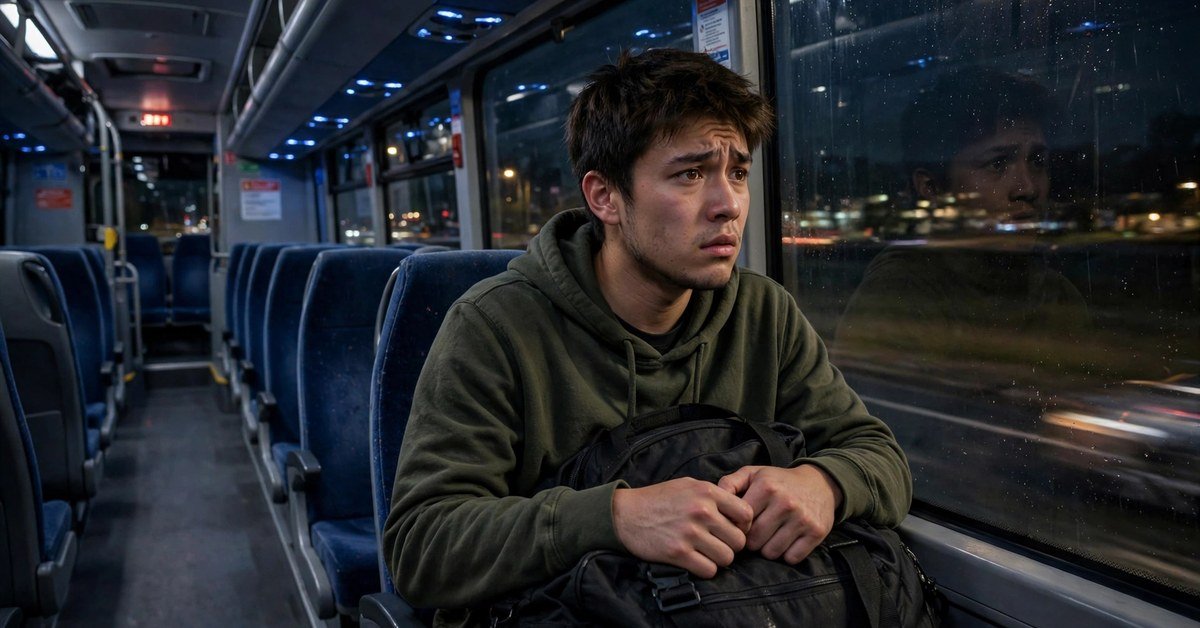
Omar arrived at the hospital as the sun was rising. Yusuf was sitting on a chair in the corridor, tired and unshaven, with his head in his hands. When he saw Omar, he stood up slowly. For a moment, neither brother spoke. Then Yusuf said, “You came.” “Of course I came,” said Omar. “She is my mother too.”

They sat down together, and for the first time in two years, they talked honestly. “I wasn’t only angry,” Yusuf said. “I was tired, and I felt alone. I needed my brother. I needed you to be there for us — not your money. You.” His eyes were wet. “You’re my big brother, Omar. I look up to you. I always have. That’s why it hurt so much.”
Omar listened, and his own eyes filled. “I know,” he said. “In the city, I told myself money was enough. But I missed home every single day. I missed you. Can you forgive me? I never wanted us to fall out.” Yusuf smiled through his tears. “Then let’s make up,” he said. “Right now. Today.” And the two brothers held each other like boys again.
Their mother stayed in hospital for one week, and she slowly grew stronger. Omar asked his boss for three weeks of leave — real leave, not two hurried days — and his boss said yes. Every morning, the brothers visited their mother together. Every afternoon, Omar worked beside Yusuf in the little bicycle shop. They shared the work, the cooking, and the worry. “You two are good sons,” their mother said from her bed, smiling. “Your father would be proud.”
On Omar’s last week at home, the brothers cleaned the bicycle shop. In the corner, under an old cloth, stood their father’s bicycle — the bicycle they both learned to ride on. Its tyres were flat and its chain was rusty, but Yusuf smiled. “I could never throw it away.” For two days, the brothers repaired it together, side by side, laughing at old stories. When it was finished, it shone like new.
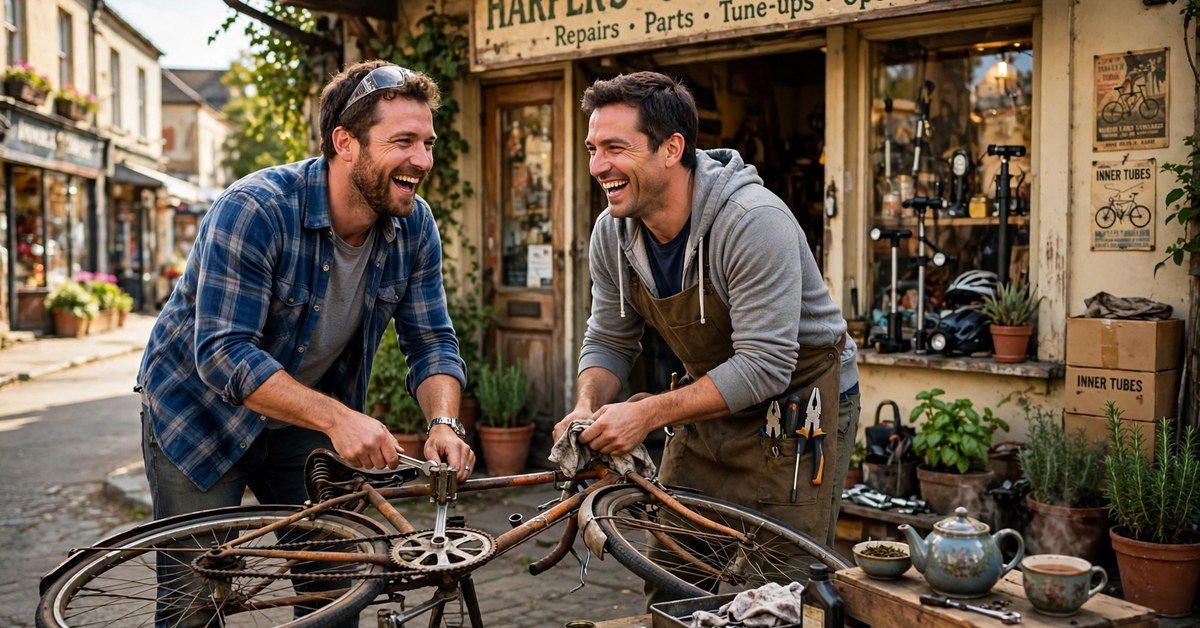
On his last evening, Omar sat with Yusuf outside the shop. “I can’t stay in the village, brother. My job is in the city. But things will be different now. I promise: I will call every Sunday, and I will visit every two months. No more silence. From now on, I will always put family first.” Yusuf nodded. “And I will call you too,” he said. “Not only when things are bad.”
Their mother came home the next week, well and smiling. And by the door of the little bicycle shop, the father’s old bicycle leaned in the sun — clean, repaired, and ready to ride again. Beside it, two brothers sat on small stools, drinking tea together, in no hurry at all.
Idioms in the Story
Did you notice these six expressions while you were reading? Here is what each one means, in simple words.
- fall out — to argue with someone and stop speaking to them.
- make up — to become friends again after an argument.
- look up to — to admire and respect someone.
- keep in touch — to stay in contact with someone, by calling or writing.
- be there for someone — to help and support someone when they need you.
- put family first — to make your family more important than other things.
New Words
Here are eight useful words from the story. Read each meaning, then go back and find the word in the story again.
- argue — to speak angrily to someone because you disagree with them.
- distance — the space between two places; also, a cold feeling between people.
- proud — feeling happy and satisfied about something good that you or your family did.
- forgive — to stop being angry with someone for something they did.
- share — to divide something with others, or to do something together.
- support — to help someone, with money, work, or kind words.
- promise — to say that you will certainly do something in the future.
- repair — to fix something that is broken.
Check Your Understanding
Now try these four questions about the story. Think of your answer first — the correct answer is under each question, so you can check yourself.
1. Why did Yusuf feel alone in the village?
Answer: Because he looked after their mother and the house by himself, while Omar was far away in the city and rarely called.
2. What did Yusuf say to Omar in the angry phone call?
Answer: He said that money is not the same as being there — he wanted his brother, not only his money.
3. Why did Omar travel home in the middle of the night?
Answer: Because Yusuf called and told him their mother was ill in hospital, and Omar wanted to be with his family.
4. What did Omar promise his brother at the end of the story?
Answer: He promised to call every Sunday and to visit every two months, and never to let silence grow between them again.
Moral of the Story
Family is not held together by money or by living in the same house, but by small, kept promises — a call, a visit, an honest talk. Distance can grow between any two people, but love, spoken out loud, can always bring them back.
Read Another Story
If you liked this story, try The Night Bus or The Lost Key next. And if you want to grow your English word by word, start with 100 Essential English Words for Beginners.