
Stories are one of the friendliest ways to learn English. You read for fun, and new words quietly stay in your memory. There is no test at the door — just a small world to step into for a few minutes.
This short story is about a young man, a cold evening, and one small lost key. It is written in simple English at A2–B1 level, with warm everyday words and a few common idioms. It is a good story for learners who can read basic English and want to grow, one page at a time.
The Lost Key
Yusuf was twenty-six, and he worked at a small bakery on Mill Road. He started work at two o’clock every afternoon, and his shift finished at nine in the evening. He made bread and cakes, and the whole shop smelled warm and good.
On this November evening, the wind was cold and strong. Yusuf closed the shop door, said goodnight to his boss, and walked home. His hands were red from the cold.
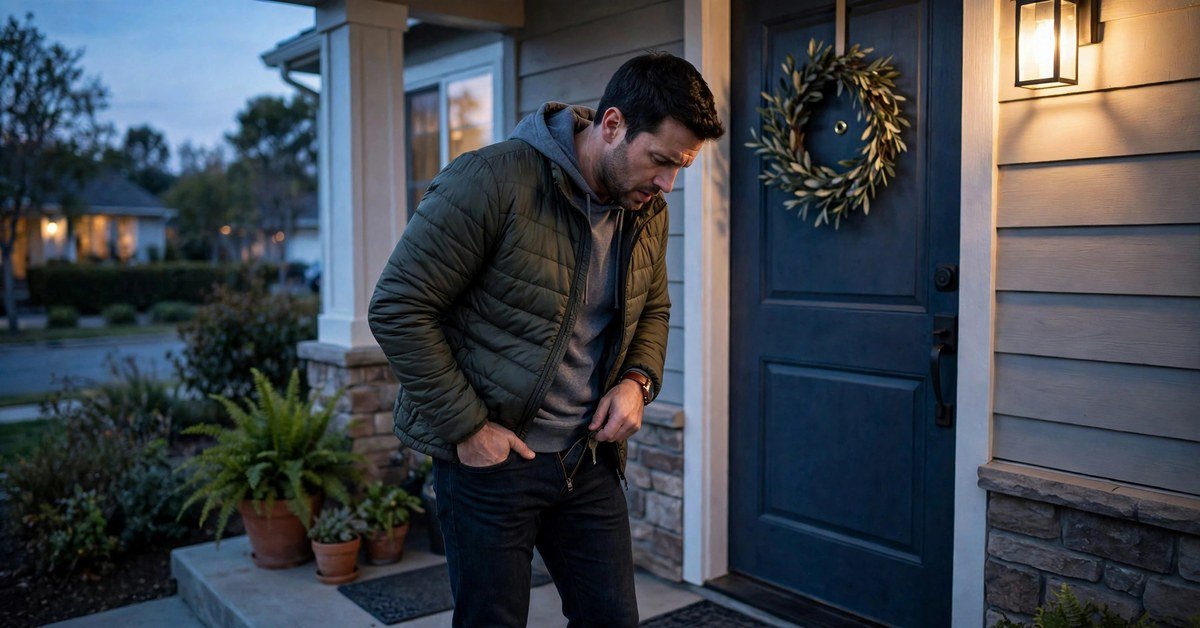
At his front door, Yusuf put his hand in his coat pocket. Phone, wallet, a pen, a sweet paper — but no key. His heart jumped. He checked the other pocket. Nothing. He opened his bag and looked in every part of it, twice. Books, gloves, an empty lunch box. Still no key.
“Oh no,” Yusuf said quietly. “Not tonight.” He turned on the torch on his phone and looked at the ground around the door. Nothing shone in the dark. Perhaps the key was still at the bakery, by the oven. But the bakery was closed now, and his boss was already home.
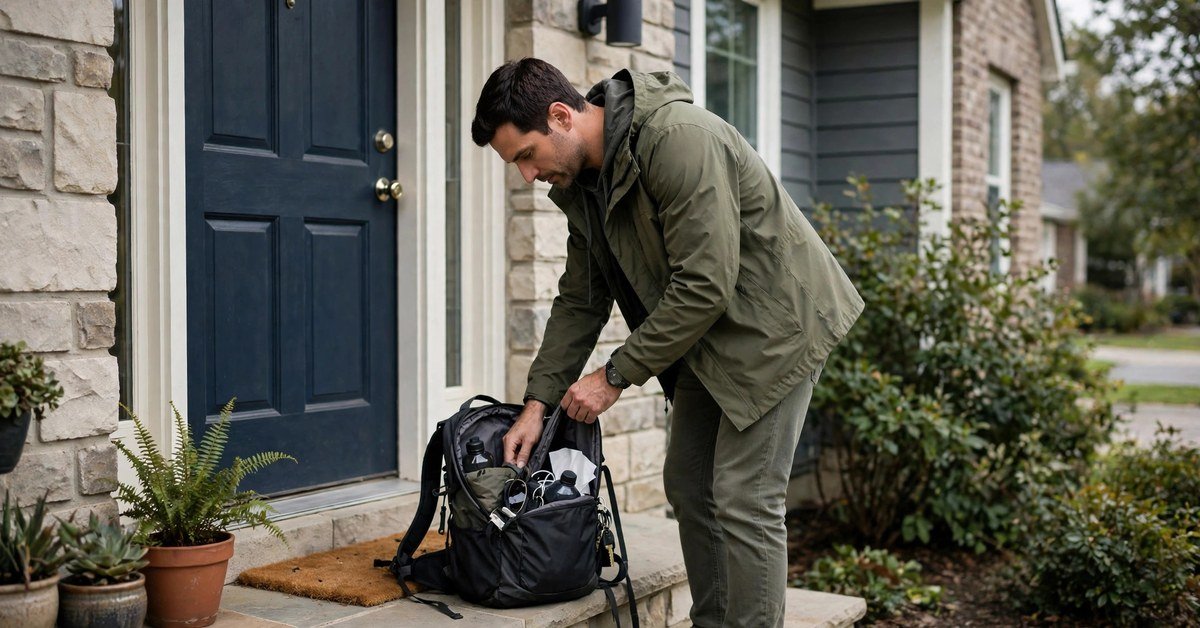
Yusuf sat down on his doorstep. The stone was cold through his trousers, and he felt worried and tired. Then he remembered: his brother Hassan had a spare key to his house. Hassan lived on the other side of town, but he was a kind brother. Yusuf called him.
“Hassan? It’s me. I’m outside my house, and I can’t find my key.” Hassan laughed a kind laugh. “Don’t move, brother. I’m coming with the spare key. Twenty minutes, maybe thirty. Stay warm.”
Yusuf pulled his coat tighter and waited. The street was empty. A bus went past at the corner, and then the street was quiet again. Then, next door, he heard a door open. A warm line of light fell across the dark garden.
“Yusuf? Is that you, sitting out here in the cold?” It was Mr. Brooks, his neighbour. Mr. Brooks was seventy-eight years old — a tall, thin man with white hair and kind eyes. Yusuf knew him only a little: a smile here, a small wave there.
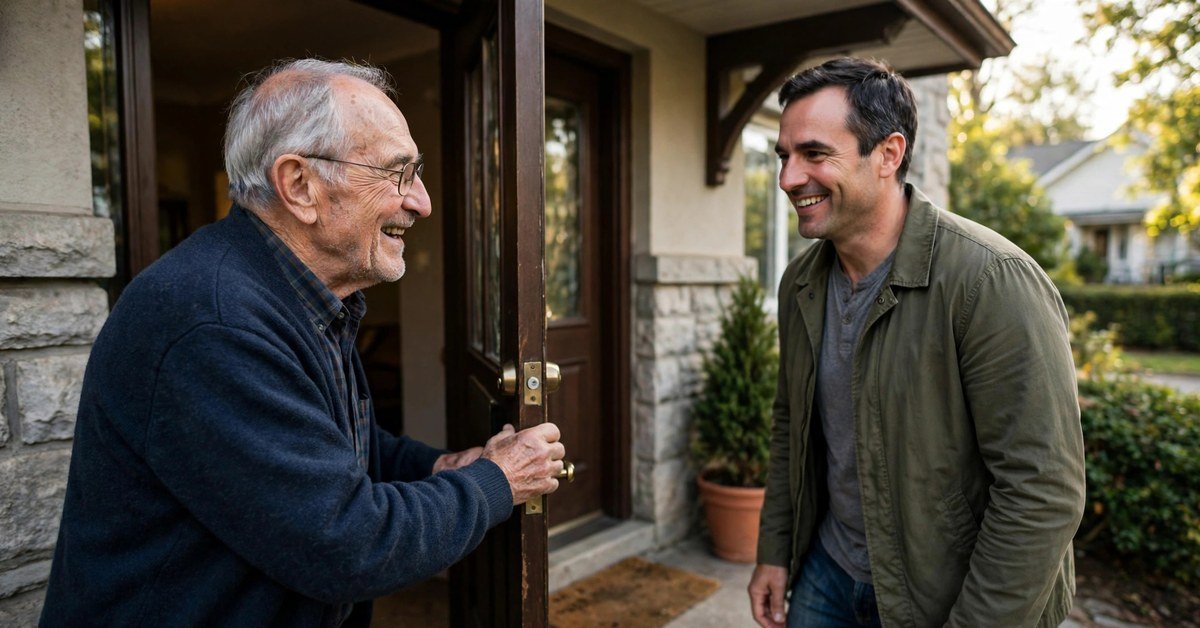
“Good evening, Mr. Brooks,” Yusuf said. “I’ve lost my key. My brother is coming with his spare key, but he needs half an hour.”
“Half an hour, in this wind? No, no,” said Mr. Brooks. “Come inside and wait at my table. A hot tea will fix everything.” He held his door wide open, and the warm air touched Yusuf’s cold face.
Inside, the house was small, clean, and warm. There were photographs on the walls and two soft chairs by a little table. Mr. Brooks filled the kettle with water. “Sit down, sit down,” he said happily. “You are my first guest this week.”
At first, the two men were quiet. Yusuf looked at his hands and did not know what to say to this old man. To break the ice, Mr. Brooks pointed at Yusuf’s white bakery shirt and grinned. “You smell of fresh bread,” he said. “Now my whole house is hungry.” Yusuf laughed, and the room felt easy.
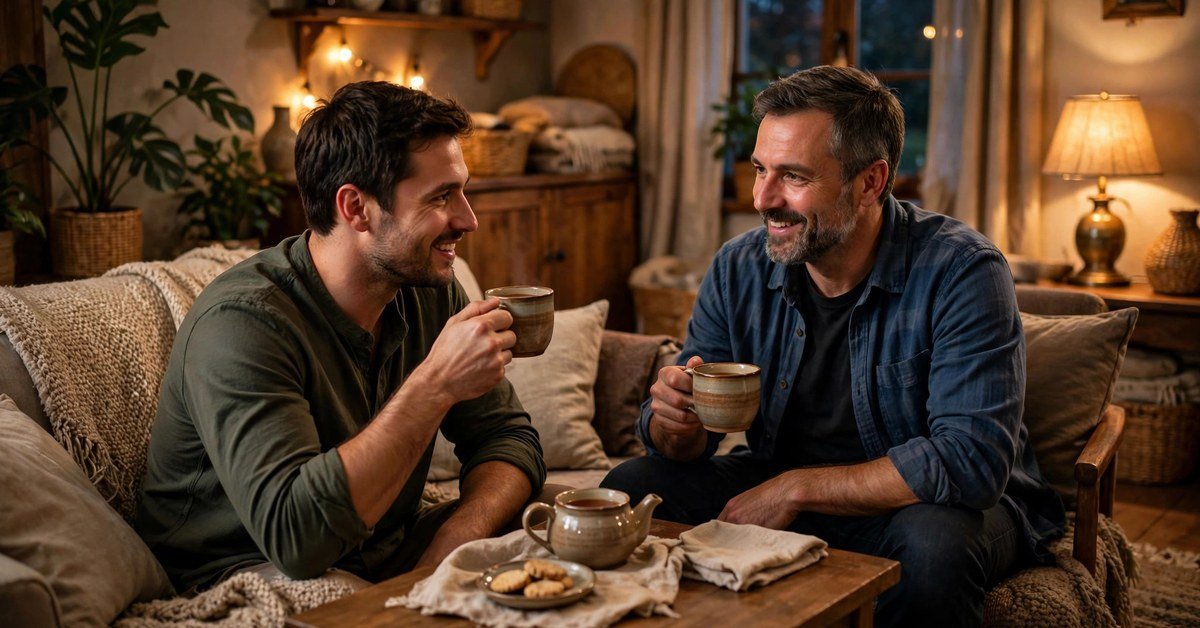
Over tea, they began to talk. “What did you do before, Mr. Brooks?” Yusuf asked. “I was a bus driver,” the old man said, “on the number 12 bus, up and down this street for forty years. I know every house here by heart — every door, every garden, every dog.”
“Forty years on one street?” Yusuf said. “Then you know my house better than I do.” “Perhaps,” said Mr. Brooks, and his eyes shone. “And I know about keys, too. Last winter, I locked myself out of this house. I sat on my own doorstep for an hour, like a silly old cat, until the postman found me. So you see, Yusuf — we are in the same boat, you and I.”
Yusuf smiled. “Then I’m in good company.” The talk moved to football, and the two men hit it off like friends of many years. They both loved the same team. They remembered the same famous matches and the same last-minute goals. Their voices got louder and happier.
Mr. Brooks stood up, took a thick book from the shelf, and put it on the table. “This is the story of our team,” he said. “I will lend it to you. Bring it back next week — that is a good reason to visit again.”
Then he took a jar of honey for the tea and tried to open it. His old hands turned and turned, but the lid did not move. “These jars are stronger than me now,” he laughed. “Let me try,” said Yusuf. He turned the lid once — pop! — and it opened. “There you are,” he said with a grin. “A piece of cake.”
For a minute, the house was quiet, but it was a friendly quiet. Yusuf looked at the photographs on the wall — a young Mr. Brooks and a smiling woman. “Does your family visit you often, Mr. Brooks?” he asked gently.
The old man’s face changed a little. “My wife, Mary, died three years ago,” he said slowly. “My son lives far away, in another country. He calls me every Sunday. But visitors? People come once in a blue moon now. Most days, it is just me and the radio.”
Yusuf’s heart felt heavy. This kind man was living alone, only ten steps from Yusuf’s own front door — and Yusuf never knew.
Just then, there was a knock at the door. Yusuf opened it. Hassan stood outside, smiling, holding up a small silver key. “One spare key, as ordered!” he said. “Sorry I was slow, brother. The roads were busy.”
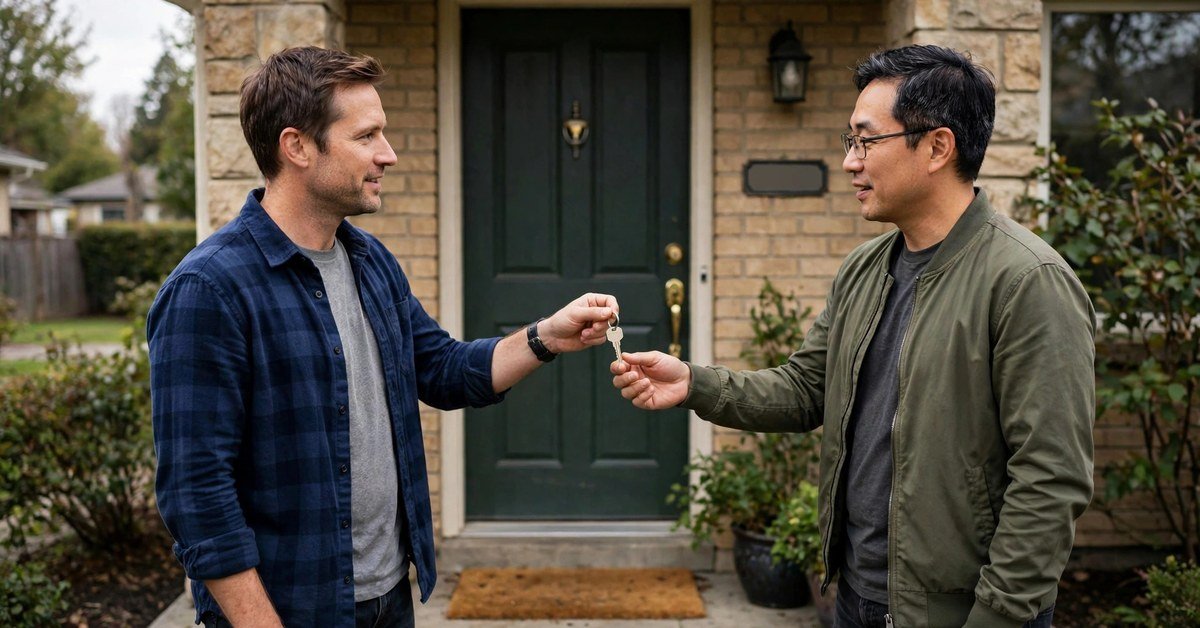
Yusuf took the key and thanked him. Hassan waved goodbye and hurried back to his car. Then Yusuf turned to the old man. “Mr. Brooks, thank you — for the tea, and for your warm house. Next Thursday, after my shift, I will knock on your door again. And every Thursday after that. I promise.”
Mr. Brooks’s eyes were wet, but his smile was big. “Then I will put the kettle on at nine o’clock,” he said. “And bring that book back, young man. I want to talk about chapter three.”
The next Thursday, the evening was not so cold. Yusuf finished his shift, took a small bag of warm bread from the bakery, and knocked on Mr. Brooks’s door. The door opened at once. The old man was waiting for him, with two cups already on the table.
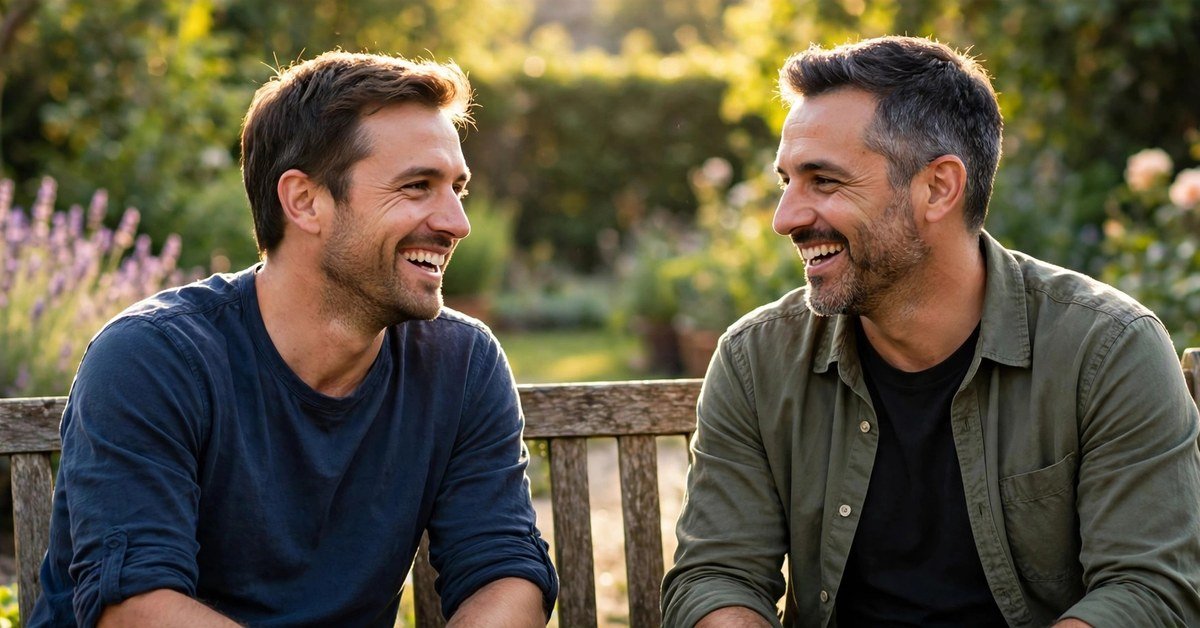
After the tea, they sat on the bench in Mr. Brooks’s front garden and talked and laughed like friends of many years. Yusuf told him about his week at the bakery, and Mr. Brooks told him stories about the old street. Yusuf never found his lost key. But he did not need it in the end — it did its job. It opened a door that no key ever could.
The Moral of the Story
A small problem can open a big door. Yusuf lost his key, but he found a friend who lived only ten steps away. Sometimes the person nearest to us is the one we know the least — until one cold evening changes everything.
New Words from the Story
doorstep — the step or small area right in front of your front door, outside the house. Yusuf sat on his doorstep and waited for his brother.
spare key — an extra key that you keep in a safe place for a difficult day. Hassan had a spare key to Yusuf’s house.
neighbour — a person who lives next to you or near your home. Mr. Brooks is Yusuf’s neighbour.
knock — to hit a door with your hand so the people inside can hear you. Hassan knocked on the door when he arrived.
torch — a small light that you hold in your hand and use in the dark. Yusuf used the torch on his phone to look for his key.
lend — to give something to a person for a short time; they give it back later. Mr. Brooks lent Yusuf a book about their football team.
worried — feeling afraid because something bad may happen. Yusuf was worried when he could not find his key.
promise — to say that you will surely do something in the future. Yusuf promised to visit Mr. Brooks every Thursday.
Idioms in This Story
Stories are a lovely way to meet idioms, because you see them inside real life. Here are the six idioms Yusuf’s story used:
break the ice — to make people feel relaxed and start talking. Mr. Brooks broke the ice with a small joke about fresh bread.
hit it off — to like someone quickly and become friends from the first meeting. Yusuf and Mr. Brooks hit it off over football.
in the same boat — to be in the same difficult situation as another person. Both men once sat outside a locked house.
piece of cake — something very easy to do. For Yusuf, opening the honey jar was a piece of cake.
by heart — from memory, without looking at anything. Mr. Brooks knows every house on the street by heart.
once in a blue moon — very rarely; almost never. These days, visitors come to Mr. Brooks once in a blue moon.
Check Your Understanding
1. Why could Yusuf not get into his house?
Because he could not find his key — he thinks he left it at the bakery, by the oven.
2. Who had a spare key for Yusuf’s house?
His brother Hassan, who drove across town to bring it to him.
3. What did Yusuf learn about Mr. Brooks over tea?
That Mr. Brooks lives alone since his wife died, his son lives far away, and visitors almost never come.
4. What did Yusuf promise, and did he keep his promise?
He promised to visit Mr. Brooks every Thursday — and yes, the next Thursday he came back with warm bread, just as he said.
Well done for finishing the story! If you enjoyed it, read another warm story next: The Night Bus. Then test yourself with our free Idiom Quiz, and keep building your speaking with these English phrases for daily conversation — small steps, every day.