

A story is the kindest teacher you will ever meet. It does not test you or hurry you — it takes you by the hand and walks with you, and the English stays in your heart because you felt it. This story walks with an old fisherman and his grandson to a quiet river bend, where a boy learns the gentle art of waiting.
You will meet six real English idioms inside, the kind people use every day when they talk about patience and time. If you enjoyed The Honest Baker, our story about a hard and honest choice, you will like this quieter tale too.
And if you have not read it yet, save The Wise Old Owl for later — it is another gentle story about thinking before you act. For now, pour yourself a cup of tea, read slowly, and let the river set the speed.
The Patient Fisherman
Old Yusuf had fished the same bend of the river for forty years. The river came around the hill there in a slow, green curve, and the water under the willow trees was deep and cool. Yusuf knew every stone on the riverbank, every deep hole where the big fish slept, and every bird that visited in the summer.
He never hurried. Other fishermen arrived with three rods, two nets, and a loud radio. Yusuf arrived with one old rod, a small bag, and a flask of sweet tea. “The river is not a shop,” he liked to say. “You cannot shout at it to serve you faster.”
One summer morning, his grandson Daniyal came with him. Daniyal was twelve years old, and everything in him moved fast. He ran down the path at dawn with the bucket in one hand and his rod in the other, and he reached the river red-faced and smiling, long before his grandfather.
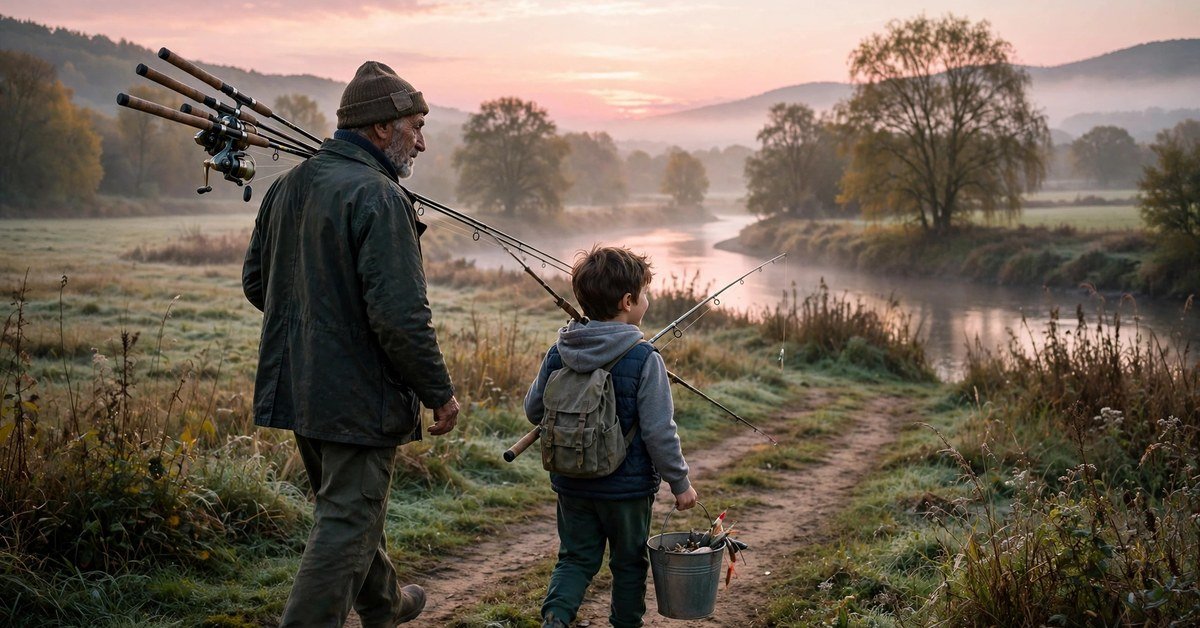
“You see, Grandfather?” Daniyal laughed. “I was first! First to the river, first with my line in the water. Today the biggest fish is mine, I can feel it!”
Yusuf sat down slowly on his flat stone and poured a little tea. “They say the early bird catches the worm,” he said, “and it is true. But, my boy, the bird also sits very, very still on the branch. You have the early part. Now comes the hard part.”
Daniyal tried. He sat still for one whole minute. Then he pulled his line out to look at the hook. He put it back. He pulled it out again to change the bait. He stood up, sat down, threw a stone, watched the rings on the water, and pulled his line out a third time.
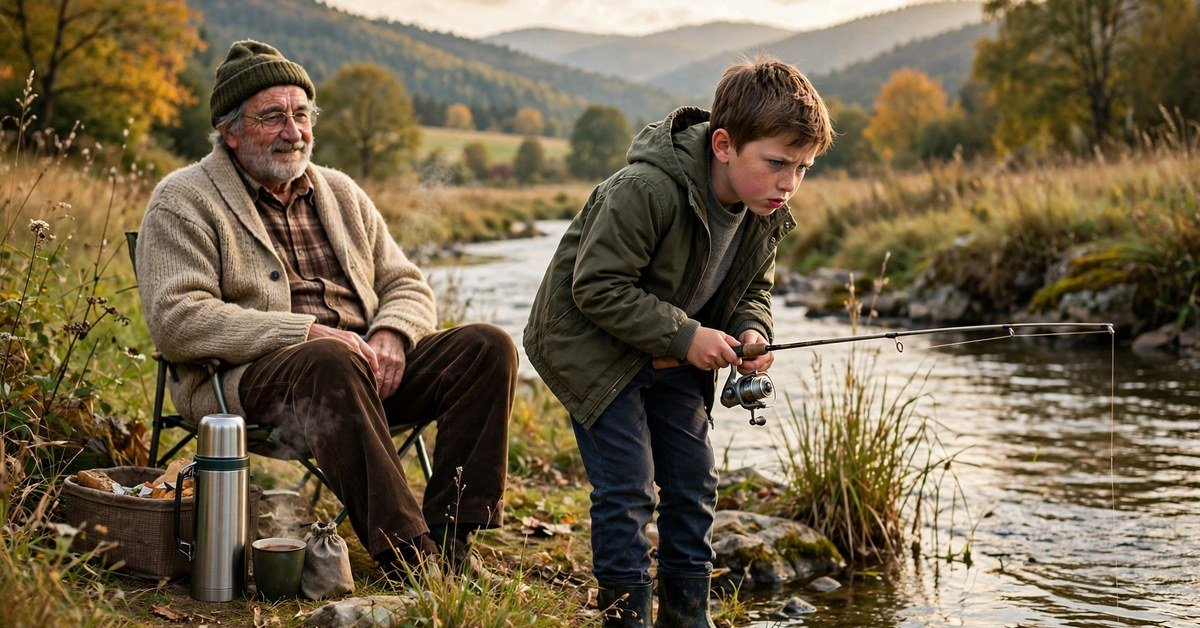
“Nothing!” he cried. “Grandfather, the fish in this river are asleep. Or dead. Or on holiday.”
Yusuf shook his head and smiled into his tea. “Listen to me. A watched pot never boils. When you stand over the pot and stare at it, the water takes all morning. It is the same with a fishing line. Stare at it every second, and it will never move. The fish can feel your hurry through the water.”
“But what do I do?” Daniyal asked.
“You cast your line,” said Yusuf, “and then you give the morning back to the morning. Watch the heron. Listen to the frogs. A fisherman fishes with his patience, not with his hands.”
Daniyal tried again. He cast his line into the deep green water and sat on his hands to keep them still. For a long time, nothing happened. A grey heron landed near them and stood like a stone statue. Dragonflies wrote blue circles over the water.
Then, under the surface, something moved. A shadow — long, dark, and slow — turned near Daniyal’s bait. It was the biggest fish Daniyal had ever seen. His heart jumped like a frog.
“Grandfather!” he whispered, but even his whisper was too loud. “Look! Look at it! It’s huge! I’m going to catch it, and we’ll take a photo, and Mother will cook it with lemons, and maybe I can sell —”
“Hush,” said Yusuf, very softly. “Hush, and don’t count your chickens before they hatch. That fish has not chosen you yet. You are planning a feast for a guest who is still deciding whether to come.”
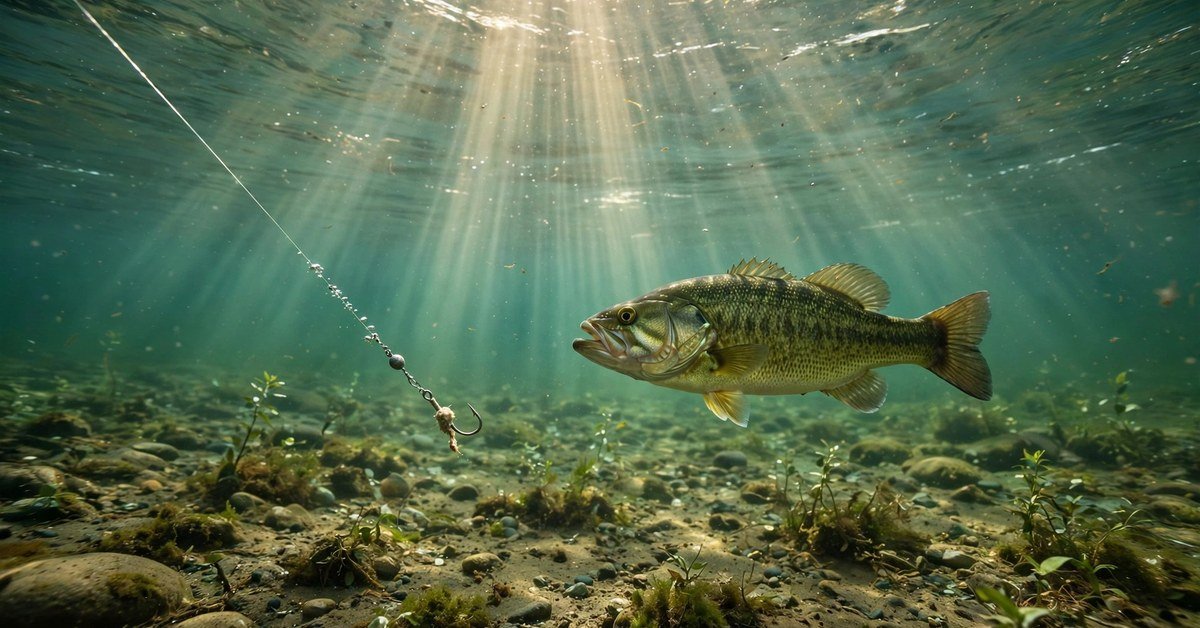
Daniyal held his breath. The great fish came closer… closer… touched the bait with its nose — and then, with one lazy turn of its tail, it swam away into the deep water and was gone.
Daniyal’s face fell. His shoulders dropped. “It went away,” he said in a small voice. “I did everything. I waited. Well — I waited a bit.”
“Keep your chin up,” said Yusuf, and he put a hand on the boy’s shoulder. “The fish taught you something today, and it did not charge you a single coin for the lesson. Now sit with me. The morning is not finished with us yet.”
So Daniyal sat. At first his legs wanted to run and his fingers wanted to pull the line. But slowly, the quiet of the river entered him, the way water enters dry ground. He watched a kingfisher dive like a blue stone. He ate bread and cheese from his grandfather’s bag. He drank sweet tea from the flask and felt the sun warm his back.
The hours passed like slow boats. Yusuf caught two small fish and let one go. Daniyal caught nothing, and — to his own surprise — he did not mind very much. “The river is a good place to do nothing,” he said, and Yusuf laughed. “Now you are beginning to fish,” the old man said.
The sun was low and gold when Daniyal’s line pulled — hard. “Grandfather!” The rod bent like a bow. Daniyal held on with both hands, his heart hammering, and this time he did not shout or plan or run. He played the fish slowly, the way his grandfather had shown him, and at last he drew it, shining and strong, onto the grass of the riverbank.
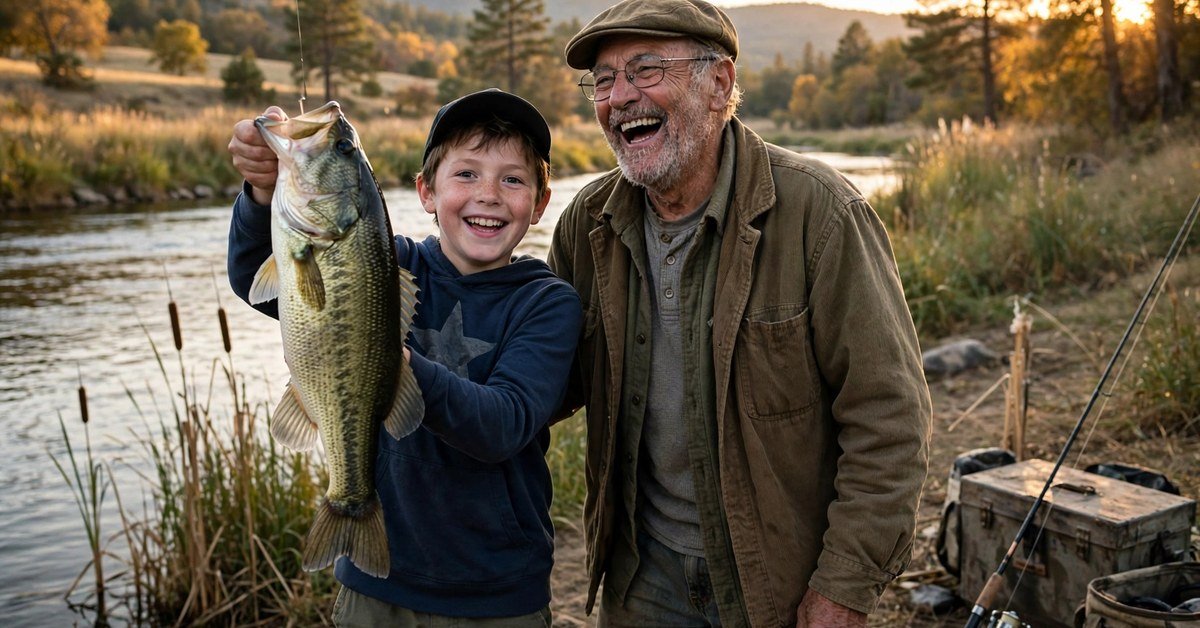
“Well!” laughed Yusuf, lifting the great fish. “The biggest catch on this river all week — and it came to the boy who learned to wait. Better late than never, eh?”
“You knew?” Daniyal asked, wet and shining-eyed. “You knew a fish would come?”
“I knew the river,” said Yusuf. “The river pays the patient, my boy. Not always. Not quickly. But in the long run, patience catches more than hurry ever will — in fishing, and in everything else you will ever do.”
That night, the whole family ate the fish at home, with lemon and fresh bread, and the neighbours got a share too, because Yusuf said a good catch is too heavy for one table. Daniyal ate slowly and smiled at his plate.

And when his mother asked him what he had learned at the river, the boy thought for a moment and said, “I learned that waiting is not empty time. Waiting is where the good things swim toward you.”
Idioms in the Story
Here are the six idioms from the story, with simple meanings. You can also look up any of them in our free Idiom Finder whenever you meet them again.
- the early bird catches the worm — people who begin early have the best chance of success. In the story, Yusuf agrees that starting early is good, but he tells Daniyal the bird must also sit still and wait.
- a watched pot never boils — when you wait for something and stare at it, time feels slower and nothing seems to happen. Daniyal stares at his line every second, so the morning feels endless.
- don’t count your chickens before they hatch — do not plan on something good before it has really happened. Daniyal plans a photo, a feast, and even selling the fish before it has taken his bait.
- keep your chin up — stay cheerful and brave after a disappointment. Yusuf says it to Daniyal when the big fish swims away.
- better late than never — it is better for something good to happen late than for it not to happen at all. Daniyal’s great catch comes at the very end of the day.
- in the long run — over a long period of time; in the end. Yusuf says that, in the long run, patience catches more than hurry ever will.
New Words
Here are eight useful words from the story. Read the simple meaning and the example, then go back and find each word in the story again.
- dawn — the early part of the morning, when the sun begins to rise. Example: They left the house at dawn, when the sky was still pink.
- riverbank — the land along the side of a river. Example: They sat on the riverbank all morning.
- bait — food put on a hook to catch a fish. Example: Daniyal put fresh bait on his hook.
- hook — the sharp, curved piece of metal used to catch fish. Example: He pulled his line out to look at the hook.
- cast — to throw a fishing line out into the water. Example: She cast her line into the deep water.
- patience — the ability to wait calmly, without getting angry or upset. Example: Fishing is a good teacher of patience.
- bucket — a round container with a handle, used for carrying water or fish. Example: He carried the fish home in a bucket.
- flask — a small bottle or container for drinks that you carry with you. Example: Yusuf poured sweet tea from his flask.
Check Your Understanding
Read the questions and answer them in your own words. Then check the answers below — no peeking before you try!
- Why did Yusuf say that Daniyal had “the early part” but not the hard part?
- What did Daniyal plan to do with the big fish before he had caught it?
- What did Daniyal do during the long, quiet hours after the fish swam away?
- What lesson did Yusuf want Daniyal to learn from the day at the river?
Answers
- Because Daniyal arrived early, like the early bird, but he could not sit still — and sitting still is the hard part of fishing.
- He planned to take a photo of it, have his mother cook it with lemons, and maybe even sell it.
- He sat quietly with his grandfather, watched a heron and a kingfisher, ate bread and cheese, and drank tea — and slowly learned to enjoy simply being by the river.
- That patience wins in the end: the river pays people who wait calmly, and that is true in fishing and in life.
Frequently Asked Questions
What level is this story for?
This story is written for elementary to intermediate learners, about A2 to B1 level. The grammar is mostly the past simple, the sentences are short, and the words are common. The six idioms are real ones that native speakers use every day, but each one is explained in simple English after the story.
How should I practise with this story?
First, read it once just for pleasure, like a story — not a lesson. Then read it again aloud, slowly, and try shadowing: repeat the dialogue lines just after you read them, like an echo, copying Yusuf’s calm voice and Daniyal’s excited one. Finally, test yourself on the six idioms with our free Idiom Quiz and see how many you remember.
Where can I read more stories like this?
You can find more gentle stories with lessons on our site, in the Short Stories in English section. Try The Kind Stranger next — a warm story about how one small, kind act can change a stranger’s whole day.