
Stories are the friendliest way to learn English. You do not study a story — you live inside it for a few minutes, and the new words and idioms stay with you because you felt something while you read. This story is about a young baker, a beautiful wedding cake, and one very hard, honest choice.
In this story you will meet six real English idioms, used the way people actually use them. If you enjoyed The Wise Old Owl, our gentle story about listening before judging, you will feel at home here too. Read slowly, enjoy the smell of fresh bread, and then check the idioms, the new words, and the questions at the end.
The Honest Baker
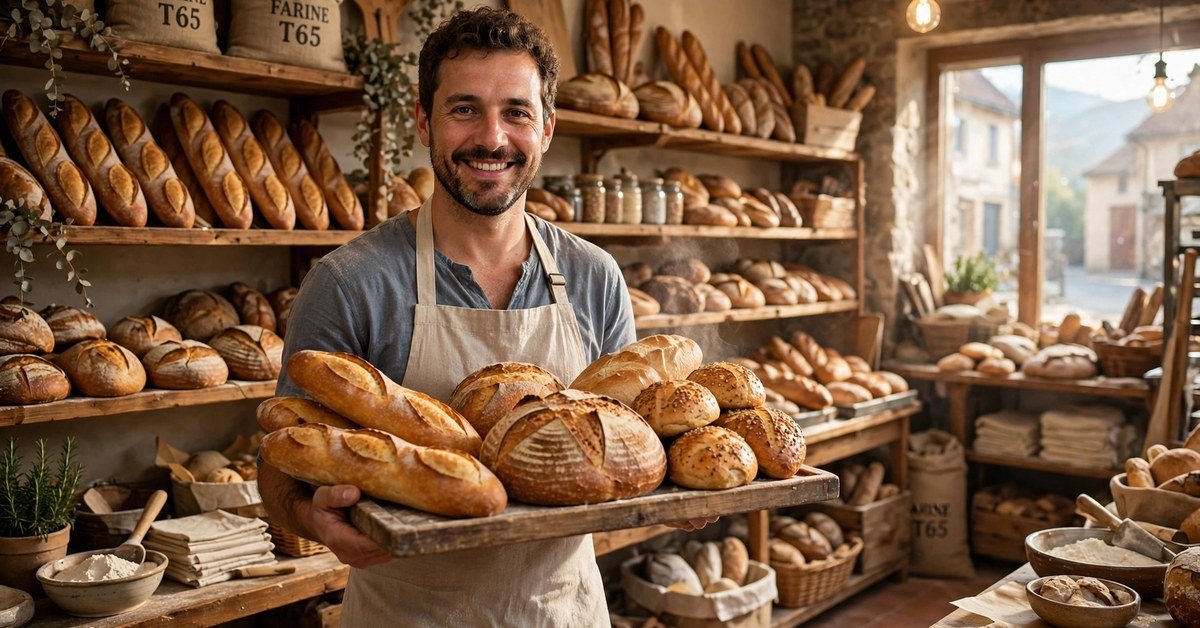
Haroon was twenty-two years old, and he worked in a small bakery on a quiet street. Every morning at five o’clock, he opened the heavy door, lit the big oven, and began his work. Soon the warm smell of fresh bread filled the little shop, and the first customers knocked on the window. Haroon loved that smell more than anything. “A bakery wakes up before the town,” he always said.
Haroon was clever with his hands. He could knead dough softly and quickly, and his cakes were famous in the town. The owner of the bakery, Mr. Karim, trusted him completely. “You work with honest hands, Haroon,” the old man often told him. “One day, this shop will be yours.”

One Friday afternoon, Mrs. Fatima came into the shop with a happy face. “My daughter is getting married on Sunday!” she said. “We need a big wedding cake — three floors, strawberry filling, and white roses on top. It must be perfect.” Haroon wrote the order carefully in the order book. “Don’t worry,” he said with a smile. “I will make it myself.”
Saturday was the busiest day of the week. The shop was full of people, the phone rang again and again, and Haroon ran from the oven to the counter and back. On the table there were two order cards — an old one from last week and the new one for the wedding. In his hurry, tired and hot, Haroon picked up the old card. He worked all morning, and by noon a beautiful cake stood on the table: three floors, chocolate filling, and pink roses on top.
Then Haroon saw it — the new order card, lying under a bag of flour. He picked it up and read it. Strawberry filling. White roses. His heart jumped into his throat. He looked at his beautiful, wrong cake, and his hands began to shake. The wedding was tomorrow, at four o’clock, and there was no time to bake a new three-floor cake.

“Nobody needs to know,” he thought. “I can put fresh strawberries on top, and serve the cake in thin slices, quickly, so nobody looks inside…” But as he stood there, the plan fell apart in his head. The bride always cuts the cake in front of all the guests. Everybody would see the chocolate inside. His plan was half-baked, and deep inside, Haroon knew it.
At that moment, Mr. Karim came into the kitchen. He looked at the pink roses, then at the order book, and his face turned dark. On Friday, Sami — the young man who worked at the counter — had taken Mrs. Fatima’s phone call and written her name in the book. “Sami!” Mr. Karim called. “You took this order! Why is the cake wrong?” Sami’s face went white. “Sir, I only wrote the name. I never touched the cake…” But Mr. Karim was too angry to listen. Now poor Sami was in hot water for a mistake he did not make, and Haroon watched his friend take the blame in silence. His heart felt heavier than a bag of flour.
That night, Haroon could not sleep. He turned in his bed and thought about the shop, about Mr. Karim’s trust, and about Sami’s white, frightened face. He had two choices: stay silent and let his friend carry the shame, or face the music and tell the truth, and lose — perhaps — his job and his good name. Just before the morning prayer, he sat up in bed. “A cake can be baked again,” he whispered. “But a man’s name — that is much harder to fix.”
Early on Sunday morning, Haroon went to Mr. Karim’s house and admitted everything — the two cards, the hurry, the wrong cake, and his silence the day before. The old man listened quietly, and then he only said, “Then we go together. A mistake is heavy for one man, but two men can carry it.” At ten o’clock, the two of them stood at Mrs. Fatima’s door. Haroon’s hands were cold. It was time to come clean. He told her the whole story, from the beginning to the end. “I am very sorry,” he said at last. “The mistake is mine — all mine. Not Sami’s, not anyone’s. Mine.”

Mrs. Fatima was quiet for a long moment. The house behind her was full of wedding noise — music, laughing children, the smell of rice and roses. Then, slowly, she smiled. “Young man,” she said, “a cake can be fixed. But an honest heart — that is not easy to find. Come inside. Let us think together.”
They worked fast. In the bakery kitchen, Haroon baked a smaller cake — one floor, strawberry filling, and white roses, exactly right — for the bride to cut in front of the guests. The big chocolate cake went into the kitchen and came out in slices, plate after plate, for everyone to eat. At the wedding, the bride cut the little white cake under the lights, and the guests ate the chocolate cake and asked for more. Many people said it was the most delicious wedding cake they had ever tasted.
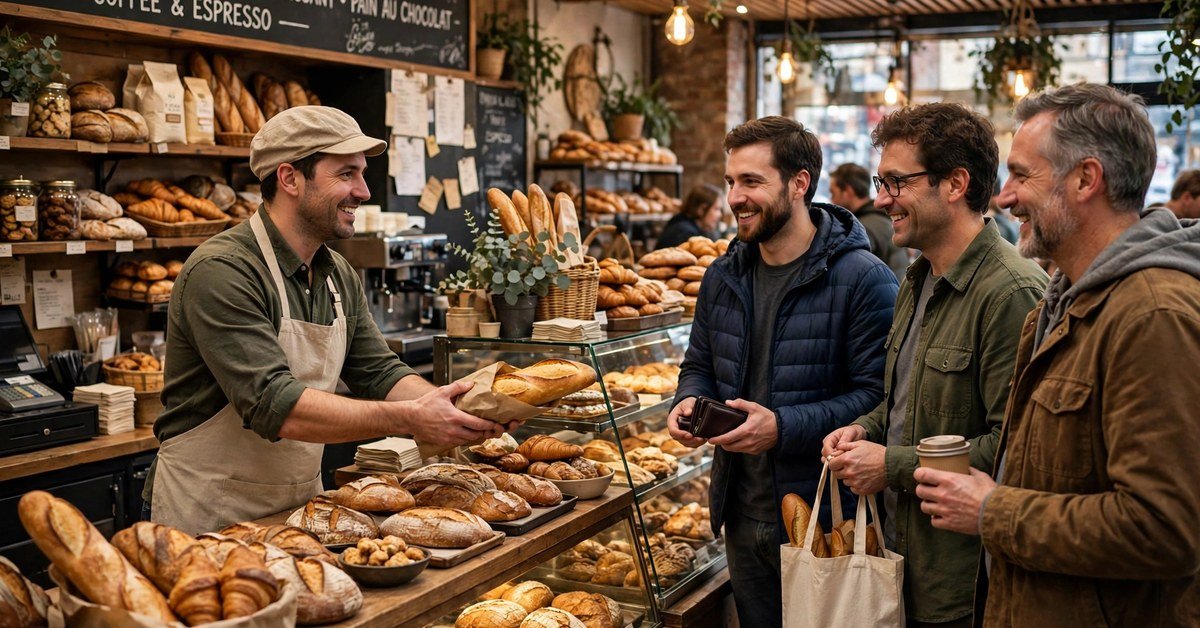
In the weeks after the wedding, something surprising happened. Mrs. Fatima told the story of the honest baker to all her friends. “That boy told me the truth when it was hard to tell,” she said. “That is a man you can trust with anything.” More and more customers came to the little bakery, and Mrs. Fatima herself became a loyal customer for life. The bakery’s reputation grew from street to street. The terrible mistake had become a blessing in disguise — it brought the shop more true friends than any sign or advertisement ever could.
A month later, Mrs. Fatima’s brother, who owned a big hotel in the city, came to the shop with a huge order: bread and cakes for a whole week of celebrations. Mr. Karim laughed and put his hand on Haroon’s shoulder. “You see, my boy? Honesty is good business.” And that big order — well, that was the icing on the cake.
From that day, on a small card above the oven, Haroon kept one rule, written in his own hand: “Tell the truth first. It is always the shortest road home.” And every morning at five o’clock, when the smell of fresh bread filled the little shop, Haroon smiled — because he knew that a clean heart rises better than any dough.

Idioms in the Story
Here are the six idioms from the story, with simple meanings. You can also look up any of them in our free Idiom Finder whenever you meet them again.
- half-baked — a plan or idea that is not well thought out and will not work. In the story, Haroon’s plan to hide the wrong cake is half-baked.
- in hot water — in trouble, especially with someone who is angry with you. Sami is in hot water with Mr. Karim for a mistake he did not make. Blaming the wrong person is a painful thing — our article on barking up the wrong tree shows what happens when we accuse first and ask questions later.
- face the music — to accept the unpleasant results of your own actions, bravely. Haroon decides to face the music instead of hiding.
- come clean — to tell the whole truth about something you were hiding. At Mrs. Fatima’s door, Haroon comes clean and tells her everything.
- a blessing in disguise — something that seems bad at first, but brings good results in the end. The cake mistake becomes a blessing in disguise for the bakery.
- the icing on the cake — something extra that makes a good situation even better. The big hotel order is the icing on the cake.
New Words
Here are eight useful words from the story. Read the simple meaning and the example, then go back and find each word in the story again.
- dough — a soft mixture of flour and water, used to make bread and cakes. Example: The baker kneads the dough early in the morning.
- oven — a hot box in the kitchen where you bake bread and cakes. Example: The smell of bread came from the hot oven.
- filling — the soft food inside a cake or sandwich. Example: The wedding cake had a strawberry filling.
- order — a request for food or goods that a customer asks a shop to make or bring. Example: Mrs. Fatima’s order was written in the book.
- admit — to say that something is true, especially something you did wrong. Example: Haroon admitted his mistake to Mr. Karim.
- blame — the responsibility for something bad, or to say that someone is responsible for it. Example: Sami took the blame, but it was not his fault.
- loyal — faithful; always supporting a person or a place. Example: A loyal customer comes back again and again.
- reputation — what people in general think about a person or a business. Example: The bakery’s reputation grew after the wedding.
Check Your Understanding
Read the questions and answer them in your own words. Then check the answers below — no peeking before you try!
- What mistake did Haroon make with the wedding cake?
- Who was in hot water for Haroon’s mistake, and why?
- What did Haroon decide to do on Sunday morning, before the wedding?
- Why was the mistake a blessing in disguise in the end?
Answers
- He read the old order card and made the cake with chocolate filling and pink roses, but the order asked for strawberry filling and white roses.
- Sami was in hot water, because he had taken Mrs. Fatima’s phone call and written her name in the order book, so Mr. Karim blamed him — although Sami never touched the cake.
- He decided to face the music: he admitted everything to Mr. Karim, and then went with him to Mrs. Fatima’s house to come clean and tell her the whole truth.
- Because Mrs. Fatima admired Haroon’s honesty and told all her friends about it, the bakery won many new and loyal customers and a much better reputation.
Frequently Asked Questions
What level is this story for?
This story is written for elementary to intermediate learners, about A2 to B1 level. The sentences are short and the words are common, but the idioms are real ones that native speakers use every day. If a sentence feels hard, read it once more slowly — the story will carry you.
How should I practise with this story?
First, read it once just for pleasure. Then read it again aloud, slowly, and try shadowing: play or imagine the voices and repeat the dialogue lines just after you read them, like an echo. Finally, test yourself on the six idioms with our free Idiom Quiz and see how many you remember.
Where can I read more stories like this?
You can find more gentle stories with lessons on our site, in the Short Stories in English section. Try The Kind Stranger next — a warm story about how one small, kind act can change a stranger’s whole day.