

Some people impress you the moment you meet them. Not because they show off. They don’t need to. They talk normally, they listen properly, and they treat the office boy with the same respect they give the boss.
English has a lovely phrase for that quality. The down to earth meaning is simple: someone who is down to earth is practical, honest, and easy to talk to. No pride. No acting. Just real.
Think of a famous cricketer who still sits on the floor with old friends and shares a simple plate of daal. If that picture makes sense to you, you already understand this idiom. The rest of this page just gives you the words for it — plus examples you can use in your own daily conversation.
Down to Earth Meaning: The Quick Answer
When we call someone down to earth, we’re saying they’re realistic. Grounded. They don’t pretend to be something they’re not, and they handle everyday life in a calm, sensible way.
It’s almost always a compliment. “She’s so down to earth” is a warm thing to say — it means she’s genuine, and people relax around her.
The phrase can describe an attitude, too, not just a person. A down to earth approach to a problem is a practical one. No drama. No fancy talk.

Where Does “Down to Earth” Come From?
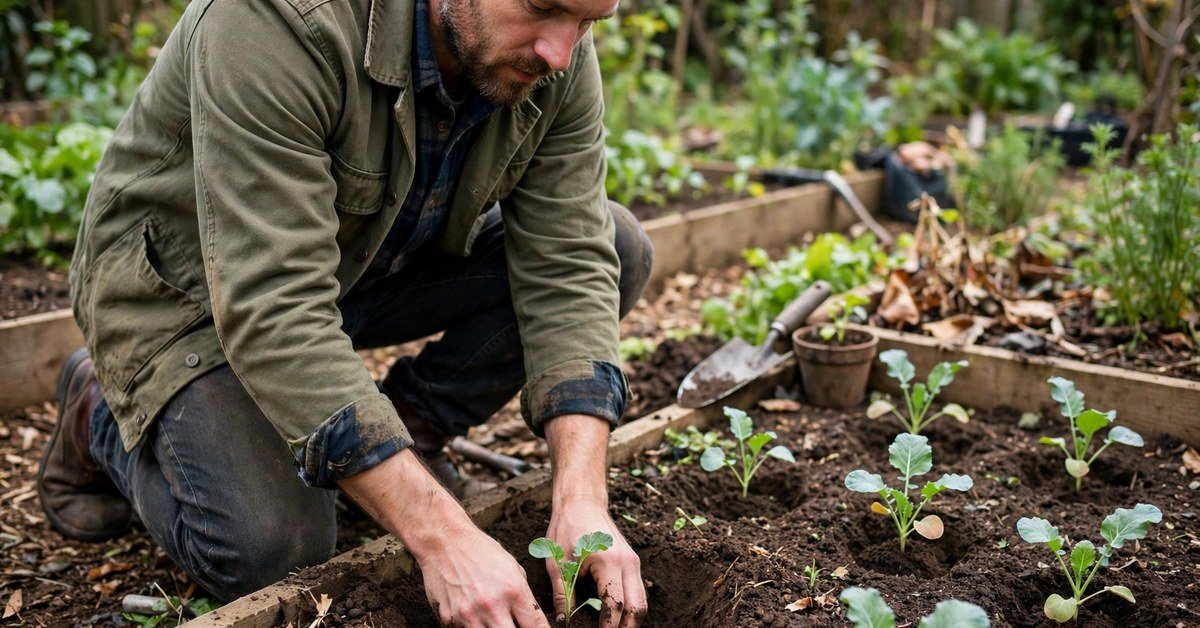
The picture behind the idiom isn’t hard to imagine. Earth is the ground under your feet — solid, stable, real. Something floating high up in the clouds? That’s far away from daily life.
So a down to earth person keeps their feet on the ground. They live in the real world, not in a world of ego and fantasy.
The phrase has been used in English for a long time, and its meaning has stayed steady. It’s always pointed to the same idea: practical, realistic, and free from pride. You can check the dictionary entries for down to earth at Cambridge Dictionary and down to earth at Merriam-Webster to see the same definition in their own words.
What a Down to Earth Person Is Like
Once you know what to look for, you can spot this kind of person in about five minutes. They speak plainly. They mean what they say. Big words, used just to sound clever? Not their style.
They listen, too — properly listen. When you talk, they’re not sitting there waiting for their turn to speak. That one habit makes people feel comfortable around them.
Watch how they treat people who can do nothing for them. A down to earth manager talks to the office cleaner with the same respect he gives a client. A famous actor thanks the crew and the fans, not just the cameras.
Praise doesn’t go to their head. A setback doesn’t break them either. They stay steady, because what they’re worth doesn’t depend on applause.
How to Use “Down to Earth” in a Sentence
Here are some everyday examples, the way people actually say them:
- “My new boss is really down to earth. She eats lunch with the team and asks about our weekends.”
- “For a famous actor, he is surprisingly down to earth. He waited in line like everyone else.”
- “I like talking to my uncle because he gives down to earth advice, not lectures.”
- “The teacher explained the topic in a down to earth way, so the whole class understood it.”
- “Despite her success, she stayed down to earth and still lives in her old neighbourhood.”
- “We need a down to earth plan for the wedding, not something expensive and stressful.”
See the pattern? The phrase usually sits before a noun, or right after the verb “is” — “a down to earth teacher”, “he is down to earth”. Both patterns are common, and both sound completely natural.
Down to Earth at Work
At work, this style is a real strength. People trust a colleague who’s honest about a problem instead of hiding it. A team leader who says, “I don’t know yet — let me check,” earns far more respect than one who pretends to know everything.
Customers feel it, too. Think of the shopkeeper who explains his prices clearly — no pressure, no fancy promises. His customers keep coming back. People can sense when someone is genuine; you can’t fake it for long.
Writing a job application? Preparing for an interview? This idiom is a neat way to describe a strength. Saying “I take a down to earth approach to solving problems” tells the reader you’re practical and reliable, in one short line.
Down to Earth in Friendships and Family
Friendships survive longer when people drop the act. A down to earth friend won’t judge you for a small flat or an old Mehran. They care about how you are, not what you own.
It’s the same inside a family. A father who talks openly with his children, admits his own mistakes, and can laugh at himself — that kind of parent builds trust that lasts for years.
That’s why the phrase feels so warm, I think. It isn’t only about being practical. It’s about being kind, honest, and easy to be close to.
Common Mistakes to Avoid
First, a small trap: don’t use the phrase for things. You wouldn’t normally say “this phone is down to earth.” The idiom describes a person’s character, or an approach — not objects.
Then there’s the spelling. After a verb, it’s three separate words, with no hyphens: “He is down to earth.” Before a noun, hyphens usually appear: “a down-to-earth teacher.” Both forms are correct; they just live in different places.
And no — down to earth doesn’t mean boring. A person like this can be funny, lively, full of energy. The phrase means grounded, not dull.
One last thing, and it’s the most important one: this is praise, not an insult. When you tell someone they’re down to earth, you’re saying you admire their honesty and their simplicity.

Similar Expressions You Can Use
English has a few neighbours for this idea. “Grounded” is the closest match, and you’ll hear it used in almost the same way. “Level-headed” is a little different — it stresses calm thinking when there’s a crisis.
“Easy-going” looks similar, but it isn’t the same. That one is about a relaxed attitude. Down to earth is about honesty and realism. Yes, a person can be both — but the words aren’t identical.
Then there’s “modest”. Modesty is about not showing off, and a modest person is often down to earth as well. Still, this idiom goes further: it’s about being real and practical, not just humble.
These small differences matter. Learn them, and you’ll pick the exact word for the exact moment.
Down to Earth in Everyday Talk
Start listening for this idiom in films and interviews. You’ll hear it everywhere. A host says, “For all his fame, he is refreshingly down to earth.” A friend says, “I love her — she’s so down to earth.”
It works in a speech or a story, too. Call a leader down to earth, and in four small words you’ve told the audience: honest, approachable, no pride.
Here’s my suggestion. Use it yourself this week. Pick one person you admire for their honesty, and describe them with this idiom in a message or a chat. One real sentence of your own is worth more than reading about the phrase ten times.
Quick Practice: Try It Yourself
Fill in the blank with “down to earth” in each sentence:
1. Our neighbour is so ______. He fixes his own roof and shares vegetables from his garden.
2. The singer thanked her fans and stayed ______ even after winning the award.
3. I want ______ advice about saving money, not a complicated investment plan.
4. The new teacher is ______ and explains everything in simple words.
Answers: 1. down to earth, 2. down to earth, 3. down to earth, 4. down to earth. If you got them all, you have the pattern.

Why This Idiom Is Worth Learning
Idioms like this one do more than decorate your English. They help you describe people the way native speakers actually do. “He is practical and honest” is correct — of course it is. But “he is down to earth” sounds warmer. More fluent, too.
It’s also a safe idiom. Friendly chat? Fine. A work email? Fine. A formal essay in your matric exam? Still fine. It never sounds rude, and it never sounds like slang.
That mix — warmth plus safety — is why the phrase turns up so often in books, films, and everyday talk. Once you start noticing it, honestly, you’ll hear it everywhere.
If you enjoy learning idioms that describe people, you will also like our guide to the piece of cake meaning, which explains another everyday phrase with simple examples.
For a late-night idiom with a very different mood, read the burn the midnight oil meaning and see how English describes working hard after dark.
Conclusion
So that’s the down to earth meaning: warm, simple, and human. A person who is practical, honest, and easy to talk to — someone who stays real, no matter how much success comes their way.
Use it to praise a friend. Use it for a leader you respect. Or use it for your own approach to life. It fits almost every setting, and it always sounds kind.
Keep an ear out for it now. The more you hear it in real conversation, the more natural it’ll feel when it comes out of your own mouth.
Want more idioms that native speakers use every day? Our hit the nail on the head meaning guide explains a phrase for getting something exactly right.
And if you like idioms with a fun story behind them, the speak of the devil meaning post is a great next read.
For short, modern phrases, check our FR meaning guide, which explains one of the most common slang words online today.

Frequently Asked Questions
What does down to earth mean?
It means practical, honest, and easy to talk to. A down to earth person is realistic, isn’t proud, and treats everyone with the same respect.
Is down to earth a compliment?
Yes — almost always. It’s praise. It tells someone they’re genuine, humble, and easy to be around.
Can I use down to earth in formal writing?
You can. It works in friendly chats, work emails, and formal essays alike. It’s polite and widely understood, so it suits almost every setting.
What is the difference between down to earth and humble?
Humble is about not showing off. Down to earth goes wider: it also means practical, realistic, and easy to talk to. A person can be humble without being down to earth, and the other way round.
Is it down to earth or down-to-earth?
Both are correct, in different places. Use “down to earth” after a verb, as in “he is down to earth”. Use “down-to-earth” before a noun, as in “a down-to-earth teacher”.
What is the opposite of down to earth?
The opposite is someone proud, fake, or out of touch with daily life. Words like “arrogant” or “pretentious” describe the other end of the scale.
5 thoughts on “Down to Earth Meaning: What It Means and How to Use It”