

You’ve probably had this moment. You pick something up in a shop, glance at the price tag, and quietly put it back on the shelf. English speakers have a wonderfully dramatic way to describe that feeling: they say the thing would cost an arm and a leg.
Don’t worry — nobody is really paying with body parts. It’s simply a colourful, everyday way of saying that something is far too expensive. In this guide, you’ll learn exactly what the idiom means, where it probably came from, and how to use it in your own conversations without sounding like a textbook. You’ll also get plenty of examples, a few close cousins of the idiom, and a quick practice round at the end.
Quick Meaning
To cost an arm and a leg means to be extremely expensive — much more than you’d expect, and much more than you’d like to pay.
If your friend says, “The repairs cost an arm and a leg,” he’s telling you the bill was painfully high. He’s exaggerating on purpose, and that little bit of exaggeration is exactly what makes the idiom so popular in everyday speech.
What Does “Cost an Arm and a Leg” Mean?
This is an informal idiom that English speakers use when a price feels shockingly high. The thing being bought might be a car, a holiday, a wedding, or even a train ticket — the idiom works for anything that makes your wallet hurt.
The picture behind it is simple. Your arms and legs are among the most valuable things you own, right? So if something “costs” them, the price must be enormous. Of course, it’s never literal. It’s playful complaining, not serious anger, and you’ll hear it most in relaxed, friendly conversation.
It’s no surprise that dictionaries explain it in almost the same short way. The Cambridge Dictionary treats it as an informal phrase for something very expensive, and Merriam-Webster sums it up neatly as “to be too expensive.”
One more useful detail: you can put a person in the middle of the phrase. “The car cost me an arm and a leg.” “The wedding will cost them an arm and a leg.” That person is simply the one who has to pay.
The Origin of “Cost an Arm and a Leg”
So where did such a strange phrase come from? Honest answer: nobody knows for certain. It appeared in American English in the middle of the 20th century, and over the years, two popular stories have tried to explain it.
The first story comes from wartime. Some people link the phrase to soldiers who lost limbs in the Second World War, as if the war had literally “cost them an arm and a leg.” Others connect it with the language of insurance and compensation for injured servicemen. It’s a moving story, but there’s no solid proof that this is where the phrase started.
The second story is about portrait painters. Long ago, artists supposedly charged by how much of the body appeared in the painting. A head-and-shoulders portrait was cheaper, while a full painting with arms and legs cost extra. A complete portrait, then, would quite literally have cost an arm and a leg.
Both stories sound neat, don’t they? But historians of language haven’t found real evidence for either one, so it’s best to enjoy them as folk tales rather than facts. What we do know is that the image works perfectly: giving up an arm and a leg is the highest price anyone could imagine paying.
How to Use It
The grammar is friendly. The verb cost never changes its form — cost, cost, cost — so you can say “it costs,” “it cost,” or “it will cost” without adding anything. Now let’s look at where the idiom shows up most.
Shopping and Prices. This is its natural home. Clothes, phones, gadgets, concert tickets — if the price makes you gasp, the idiom fits. “I’d love those trainers, but they cost an arm and a leg.” You’ll hear this pattern in shops and online reviews all the time.
Cars, Houses and Big Purchases. The bigger the purchase, the stronger the idiom feels. A friend of mine is a very down-to-earth man who never complains about money — but even he went silent when the showroom showed him the final price of his new car. Rent, repairs, and home improvements get the same treatment: “Getting the roof fixed cost us an arm and a leg.”

Everyday Complaints and Humour. Half the fun of this idiom is the moan itself. In Britain especially, chatting about ridiculous prices is a friendly way to break the ice with strangers — nothing gets people talking like the cost of train fares or a tiny coffee at the airport. Keep your tone light, and the exaggeration becomes part of the joke.
10 Example Sentences
Read these aloud if you can. Each one shows the idiom in a real-life situation you’re likely to meet.
- We’d love a bigger house, but houses in this area cost an arm and a leg.
- The mechanic said the repair would cost an arm and a leg, so I’m getting a second opinion first.
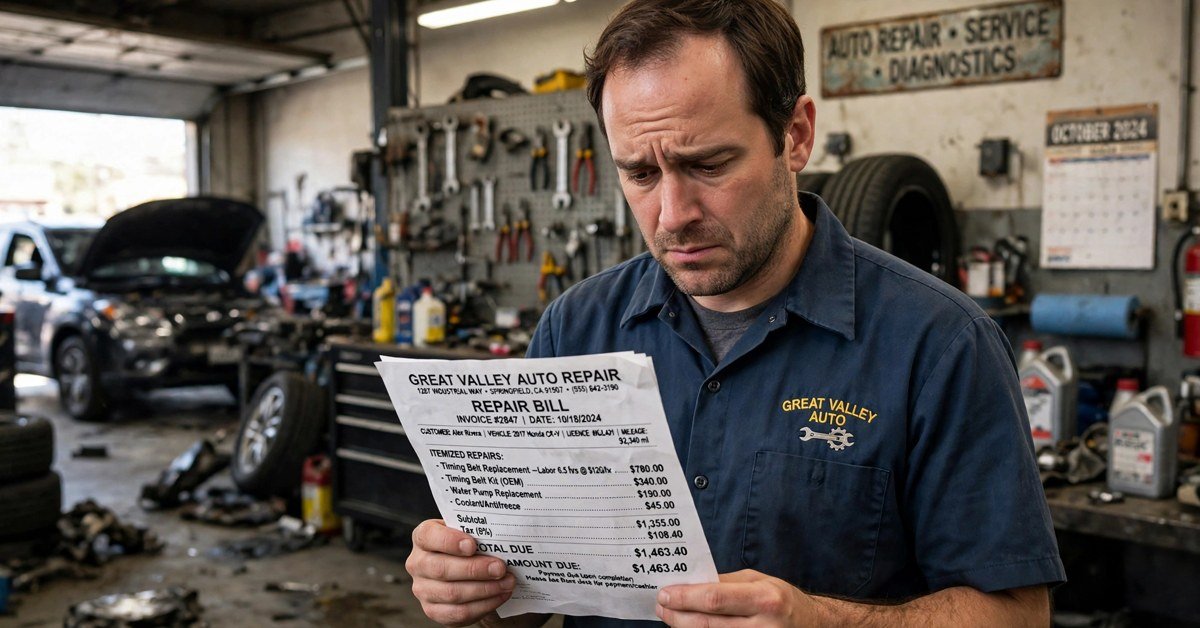
- Her new phone cost an arm and a leg, though she does use it for work every single day.
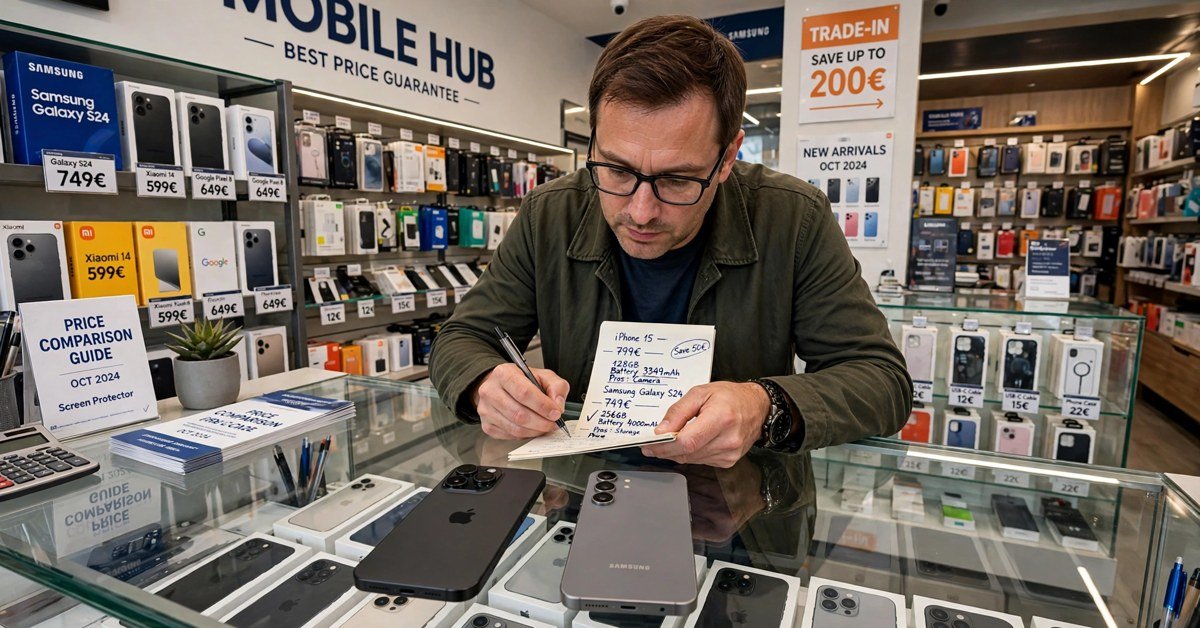
- Rent in the city centre costs an arm and a leg — most of my salary disappears on the first of the month.
- That designer bag costs an arm and a leg. Honestly, it’s nice, but it’s still just a bag.
- Flights during the school holidays cost an arm and a leg, so we’re travelling in September instead.
- Their wedding cost an arm and a leg, but they saved for years and said it was worth every penny.
- A good laptop for video editing can cost an arm and a leg, especially if you want a big screen.
- We had to replace the whole boiler in winter, and it cost an arm and a leg at the worst possible time.
- Private school fees cost an arm and a leg in this country, so many parents start saving early.
Cost an Arm and a Leg vs Similar Idioms
English has a whole family of “too expensive” expressions, and they’re not all the same. Here’s how the closest ones compare.
| Idiom | What it really means | Tone and strength |
|---|---|---|
| Cost an arm and a leg | Extremely expensive in general | Playful exaggeration; a friendly complaint |
| Break the bank | So expensive that it empties your savings | About your budget; often negative — “It won’t break the bank” |
| Cost a fortune | Costs a huge amount of money | Strong, but a little less jokey |
| Daylight robbery | A price so unfair it feels like stealing | Stronger and annoyed; mostly British |
Notice the small differences. Something can cost an arm and a leg without breaking your bank, if you happen to be rich. And daylight robbery adds a feeling of being cheated — you’d say it about a bottle of water that costs a fortune at the airport, not about an honestly priced luxury car. Cost an arm and a leg sits comfortably in the middle: strong, but smiling.
Common Mistakes
Learners trip over this idiom in a few predictable ways. Watch out for these.
Dropping the second “a.” People often write “it costs an arm and leg.” That sounds unfinished to a native ear. Keep both: an arm and a leg.
Using it for small things. If a coffee costs a little more than usual, native speakers wouldn’t normally say it cost an arm and a leg. The idiom is an exaggeration, and exaggerations die when you use them for tiny prices. Save it for bills that genuinely make you wince.
Taking it literally. Some learners hear it and picture an actual injury. It’s never about real body parts — and if you translate it word for word into your own language, it may mean nothing at all. Many languages have their own version instead; Spanish speakers, for example, say something “costs an eye from the face.”
Adding -ed to the verb. “It costed an arm and a leg” is wrong. The past form is simply cost: “It cost an arm and a leg.”
Quick Practice
Try these three. Answers are right below — no peeking until you’ve had a go.
- Complete the sentence: “Living in London costs ______.”
- Which sentence is correct? a) The tickets costed an arm and a leg. b) The tickets cost an arm and a leg.
- True or false: You’d normally use this idiom for a sandwich that is slightly more expensive than usual.
Answers: 1) an arm and a leg. 2) b — the past of cost is cost. 3) False — the idiom is for prices that are shockingly high, not slightly high.
Frequently Asked Questions
Is “cost an arm and a leg” formal or informal?
It’s informal. It’s perfect for conversations with friends, family, and colleagues, and it appears in friendly writing like blogs and reviews. In formal reports, business documents, or academic essays, choose a plain phrase such as “very expensive” instead.
Can I say “it cost me an arm and a leg”?
Yes — that’s one of the most common ways to use it. You can add me, him, her, us, or them to show who paid: “The holiday cost us an arm and a leg.” It sounds completely natural, and native speakers say it this way all the time.
Can I use it for big events like weddings?
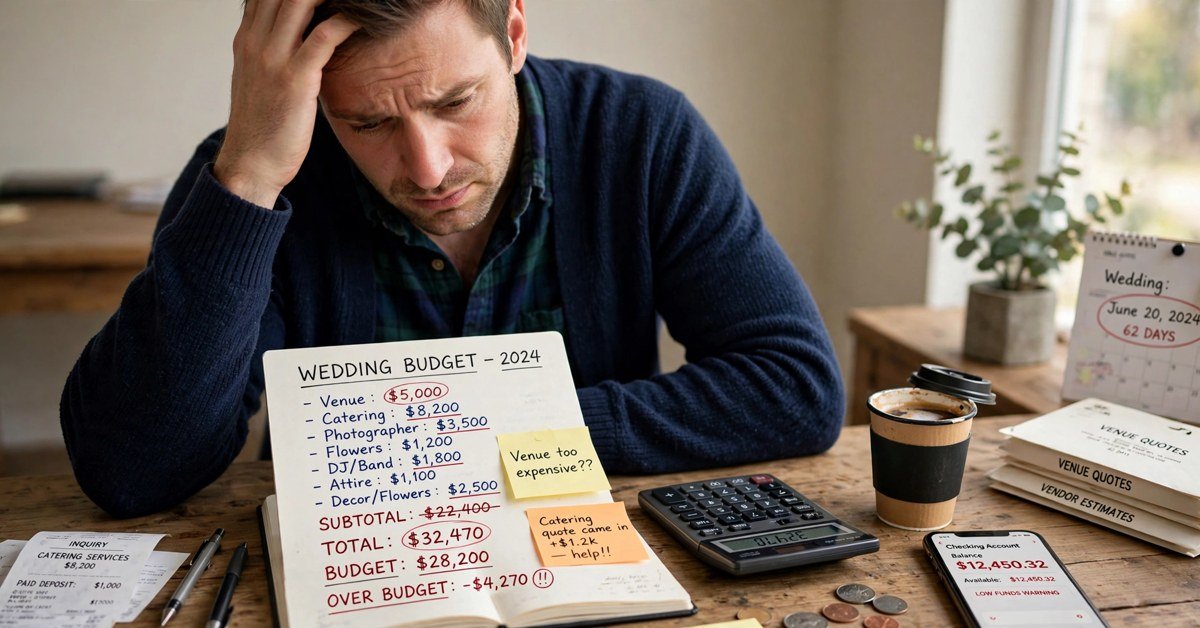
Absolutely. Weddings, parties, and family celebrations are classic topics for this idiom, because everyone knows how quickly the costs add up. Partners planning a wedding budget see eye to eye on some costs and clash over others — but nearly all of them agree the total costs an arm and a leg.
What’s the opposite of “cost an arm and a leg”?
For the opposite idea, try cheap as chips (British, informal), dirt cheap, or a bargain and a steal for something priced surprisingly low. If a phone case costs very little, you might happily say, “It was a steal — it didn’t cost an arm and a leg at all.”
Do British and American speakers both use it?
Yes. The idiom started in American English, but it’s now common and fully understood in Britain and everywhere else English is spoken. You’ll hear it in films, TV shows, and everyday conversation on both sides of the Atlantic.
Final Thoughts
You now know what cost an arm and a leg means, where it probably came from, and how to use it without the usual mistakes. The best way to make it yours is simple: use it once this week, the next time a price genuinely surprises you. Don’t worry about getting it perfect — learning an idiom like this is a piece of cake compared to actually paying those prices.
And if you’d like to grow your collection, browse our Idiom Finder to explore more everyday idioms with meanings and examples.
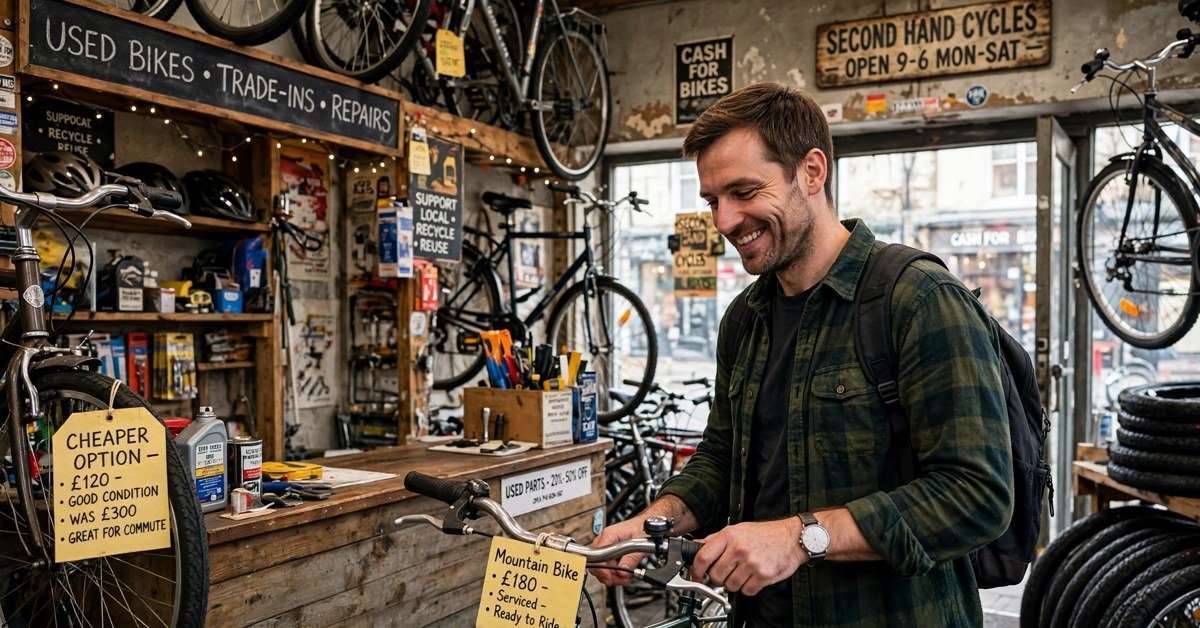
Sometimes, of course, the smartest move is refusing to pay the silly price at all — plenty of people skip the brand-new option and choose the good second-hand one instead. Now it’s your turn: what’s the last thing you saw in a shop that cost an arm and a leg — and did you buy it, or walk away? Tell us in the comments!