

Picture this. You’re in a café in London, you reach for your bag, and your elbow knocks a stranger’s coffee off the table. Your brain freezes, and all you can find is one small word: “Sorry.” It works — just about — but it doesn’t feel like enough, does it?
That frozen moment is something almost every English learner knows. In your own language you have ten ways to apologise, from a quick mumble to a heartfelt speech. In English, many learners have just one word — for everything from stepping on a toe to forgetting a friend’s birthday.
A flat “sorry” isn’t wrong — just blunt. Native speakers adjust their apology to the size of the mistake and the person in front of them. Once you see the pattern, you can do it too.
In this guide, you’ll learn how to say sorry in English in 20 different ways, grouped by situation — small mistakes, work, friends, and the moments that really matter. You’ll also learn what a real apology is made of, which ones backfire, and how to write one that lands well. And since thanks and apologies are two halves of everyday politeness, our guides on how to reply to “thank you” and how to reply to “how are you?” make good companion reads.
How to Say Sorry in English: Apologies for Small Mistakes
For the coffee spills and bumped shoulders of daily life, keep it light and quick. A warm tone matters more here than fancy words.
1. I’m so sorry! — casual
Use it for small accidents — bumping into someone, stepping on a foot, spilling a drink. The all-purpose quick apology.
— “Oh! I’m so sorry — I didn’t see you there.”
— “No worries, it happens.”
2. Sorry about that. — casual
Use it for minor mix-ups, like handing over the wrong change or blocking a doorway.
— “Sorry about that — I picked up your umbrella by mistake.”
— “That’s fine, they all look the same.”
3. Oops, my bad! — casual
Use it with friends for a tiny, harmless slip. Keep it away from strangers and bosses — it’s very informal.
— “Oops, my bad — I sent the photo to the wrong chat.”
— “Ha, no harm done. Send it again.”
4. Sorry I’m a bit late. — polite
Use it when you arrive a few minutes late for a friend, a class, or an appointment.
— “Sorry I’m a bit late — the bus got stuck in traffic.”
— “Don’t worry, we’ve only just sat down.”
5. Excuse me — sorry! — polite
Use it when you squeeze past someone in a crowd, or nearly bump into them in a shop.
— “Excuse me — sorry, can I just get past?”
— “Of course, go ahead.”

Apologies at Work: Polite and Professional
At work, a good apology is short, honest, and followed by a fix — people want to know it won’t happen again. For more office language, see our guide to English phrases for work.
6. I’m sorry for the delay. — polite
Use it when you reply late to an email, or deliver something later than promised.
— “I’m sorry for the delay in getting back to you.”
— “No problem at all. Thanks for the update.”
7. I apologise for the mistake. — formal
Use it to own up to an error in a document or a report. “Apologise” is the formal verb, and it carries weight.
— “I apologise for the mistake in the report. The figures are corrected now.”
— “Thanks for fixing it so quickly.”
8. I’m really sorry I missed the meeting. — polite
Use it when you couldn’t attend a meeting or a call. Add one short reason, then move on.
— “I’m really sorry I missed this morning’s meeting. My train was cancelled.”
— “No worries — I’ll send you the notes.”
9. Sorry — that was my fault. — polite
Use it to take clear responsibility instead of blaming the computer or a colleague.
— “Sorry, that was my fault. I booked the room for the wrong day.”
— “It happens. Let’s just rebook it.”
10. I apologise for any inconvenience. — formal
Use it in writing to customers when a problem affects them. Classic, safe service English.
— “Your delivery will now arrive on Friday. I apologise for any inconvenience.”
— “Thanks for letting me know.”

Saying Sorry to a Friend
With friends, warmth beats formality. What matters is that you noticed, you care, and you don’t hide behind excuses.
11. I’m so sorry I forgot your birthday. — heartfelt
Use it the moment you realise you missed an important day. A late apology always beats silence.
— “I’m so sorry I forgot your birthday. Can I take you out for dinner this week?”
— “You remembered in the end — that’s what counts!”
12. Sorry, I have to cancel tonight. — casual
Use it when plans change. Give a real reason, and suggest a new time in the same breath.
— “Sorry, I have to cancel tonight — my little boy is ill. Can we do Saturday instead?”
— “Of course. Hope he feels better soon.”
13. I’m sorry for what I said. — heartfelt
Use it when your words came out wrong. Name the moment instead of hiding behind “if I upset you”.
— “I’m sorry for what I said yesterday. It was unfair, and you didn’t deserve it.”
— “Thanks for saying that. It did sting, honestly.”
14. That was thoughtless of me — I’m sorry. — heartfelt
Use it when you forgot something that mattered to them, or acted without thinking.
— “I never even asked how your interview went. That was thoughtless of me — I’m sorry.”
— “It’s okay. It actually went really well!”
15. Please forgive me. — heartfelt
Use it when you’ve genuinely let a friend down. It’s stronger than a plain sorry, and it asks for peace.
— “I broke my promise, and I know it. Please forgive me.”
— “I need a little time. But I appreciate you saying it.”
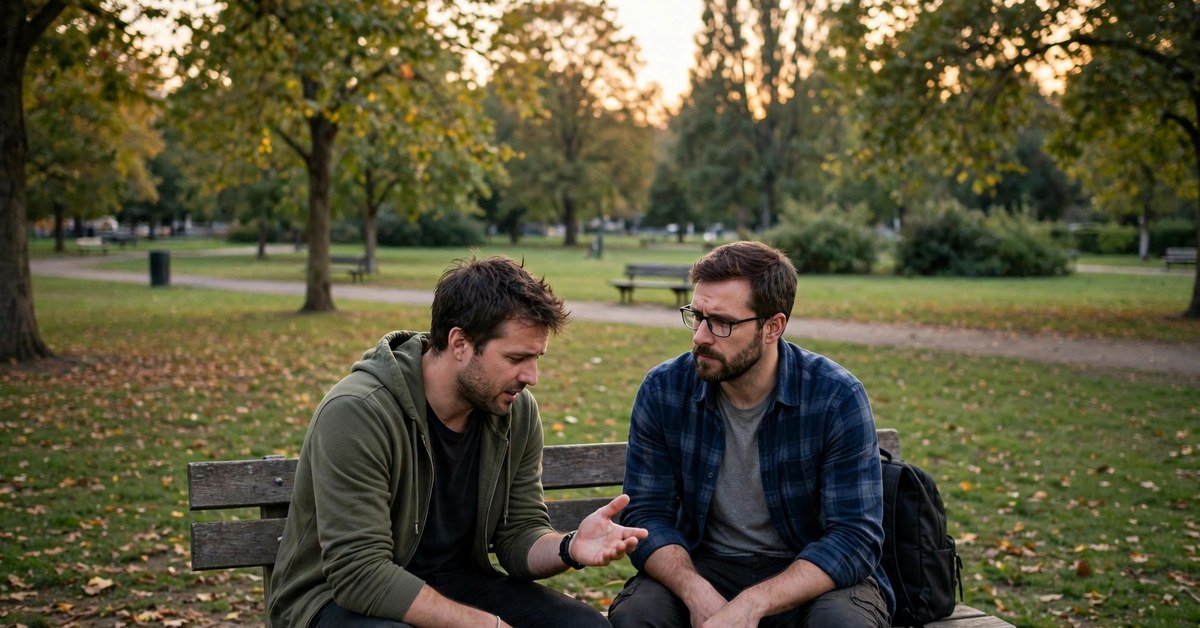
Serious Apologies: When It Really Matters
Some moments need more than a quick phrase — they need honesty. These apologies are slower, heavier, and ask for nothing in return.
16. I’m deeply sorry. — heartfelt
Use it for a big mistake or real hurt. Say it slowly, and don’t rush past it.
— “I’m deeply sorry. I should never have repeated what you told me.”
— “It hurt a lot. But I’m glad you told me yourself.”
17. I owe you an apology. — formal
Use it to open a serious apology, often some time after the event. It says: I came here to say this.
— “I owe you an apology. The way I spoke to you last month was wrong.”
— “I’ve been waiting to hear that. Go on.”
18. I take full responsibility. — formal
Use it when the mistake was yours, and you want to say so plainly — no excuses.
— “The launch failed because of my planning. I take full responsibility.”
— “That can’t have been easy to say. Let’s fix it together.”
19. There’s no excuse for what I did. — heartfelt
Use it when you don’t want to defend yourself at all. It shows you understand the seriousness.
— “There’s no excuse for what I did. I let you down when you needed me most.”
— “Thank you for not making excuses. That helps.”
20. I understand if you need some time. — heartfelt
Use it to close a serious apology, giving the person space instead of demanding forgiveness on the spot.
— “I’m truly sorry. And I understand if you need some time before we talk again.”
— “I do. But this was a good first step.”
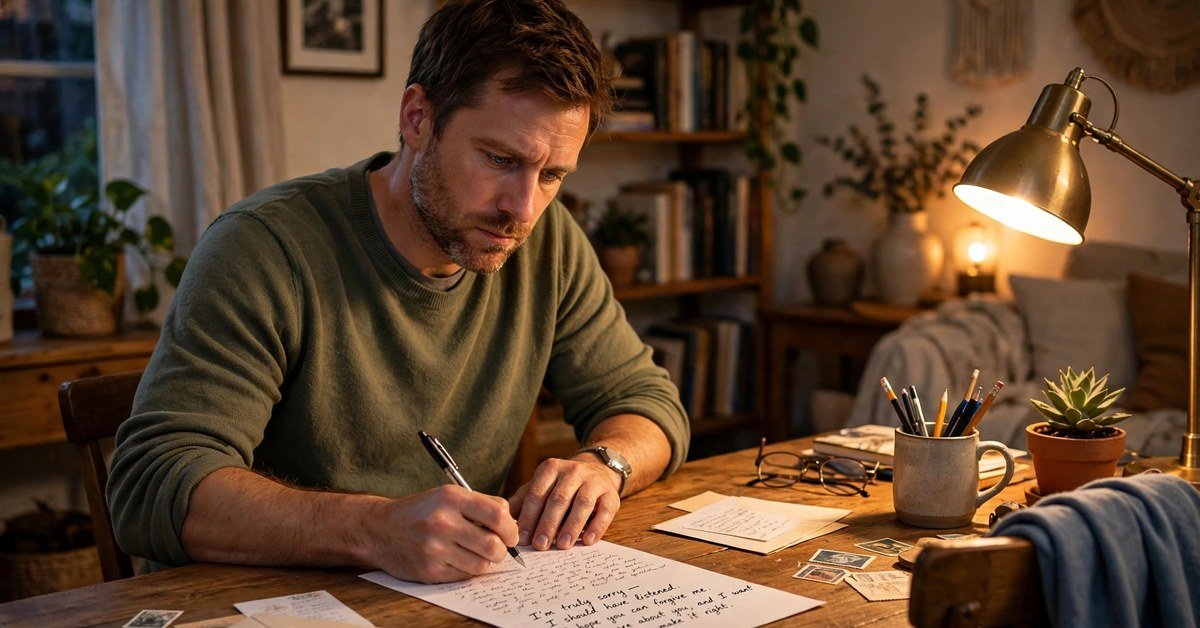
Taking Responsibility: The 3 Parts of a Real Apology
Here’s something native speakers absorb as children: the word “sorry” is only one part of an apology. A real one has three parts — and you can hear all three in the strongest phrases above.
1. Say what you did. Not a vague “sorry about everything” — name the actual thing. I’m sorry I raised my voice in the meeting.
2. Show you understand the effect. This is the step most people skip, and it’s the one that heals. “You were embarrassed in front of everyone, and that wasn’t fair.”
3. Say what you’ll do differently. Next time I’ll take a breath and step out for a minute before I speak.
Put together, those three steps turn a two-second word into something the other person can believe. That’s also what an apology really is — something you say or write that shows you are sorry — and the showing is exactly these three steps. To hear apologies inside real exchanges, try the dialogues on our English conversation practice page.
Apologies to Avoid
Some apologies quietly make things worse. If you catch yourself reaching for one of these, choose a straighter one instead.
- “Sorry not sorry.” A joke that tells the other person you don’t mean a word of it. Keep it out of real apologies.
- “I’m sorry you feel that way.” It sounds polite, but it blames their feelings instead of your actions — and people hear straight through it.
- “Sorry, but…” Whatever comes after “but” cancels the apology. “Sorry, but you started it” is an argument in disguise.
- Apologising for everything. Saying sorry for the weather, the traffic and your own existence makes the word worthless when it really counts.
- Silence instead. Hoping they’ll simply forget rarely works. Silence isn’t an apology — it’s just distance.
Saying Sorry in Writing: Email and Messages
A written apology works differently from a spoken one. You can’t soften your words with a warm voice or an honest face, so every word has to do its own work. The upside? You get time to choose those words carefully.
Keep it short — an apology email that runs to twelve paragraphs starts to sound like it’s about your feelings, not theirs. Say what happened, say sorry plainly, say what you’ll do, then stop. Here’s a short example:
Subject: The missing figures
Hi Sarah,
I’m really sorry I sent yesterday’s report without the final figures. It gave you extra work before the client call, and that wasn’t fair.
The corrected version is in your inbox now, and I’ve added a final check to my routine so it won’t happen again.
Thanks for your patience,
Tom
For a friend, a message can be much lighter: “Hey. I’ve been thinking about yesterday, and I’m sorry. Coffee this week? My treat.” Warm, direct, finished. If you’d like to strengthen your written English, the British Council’s writing skills pages offer model texts and exercises at every level.

Frequently Asked Questions
What’s the difference between “sorry” and “excuse me”?
Use “excuse me” to get attention, ask someone to move, or leave a table. Use “sorry” when something was your fault, even something tiny. In Britain, people say sorry for almost everything — even the person who got bumped into says it.
How do I apologise for being late?
Keep it brief: “I’m so sorry I’m late”, one honest reason, and stop there. A long story just sounds like an excuse. If you’re late for something important, like an interview, a calm, honest apology matters even more — our guide to job interview questions and answers shows the tone employers respect.
Is one “sorry” enough at work?
For small things, yes. For a real mistake, add the fix: what happened, that it was your fault, and what you’ve done about it. That combination sounds professional in any office.
How do I apologise to a friend without sounding stiff?
Use their name and keep it human. “I’m really sorry, Dan — that was a stupid thing to say” beats a polished speech. Then suggest meeting up. Actions finish what words start.
What if the person doesn’t accept my apology?
Stay calm, and don’t argue with their feelings. Say “I understand”, give them time, and let your behaviour prove the apology in the weeks that follow. A sincere apology never demands an instant answer.
1 thought on “How to Say Sorry in English: 20 Sincere Apology Phrases”