

Someone comments “he’s such an opp” under a video, or your younger cousin drops the word mid conversation and you just nod along. It sounds simple, but the word actually carries more than one meaning depending on where you spot it.
In most cases, OPP means opposition or opponent, basically someone treated as a rival or enemy. But that’s not the only definition floating around online. This guide explains what TS means, how people use it in everyday conversations, and how its meaning can change across different situations.
What OPP Means
The Most Common Slang Meaning
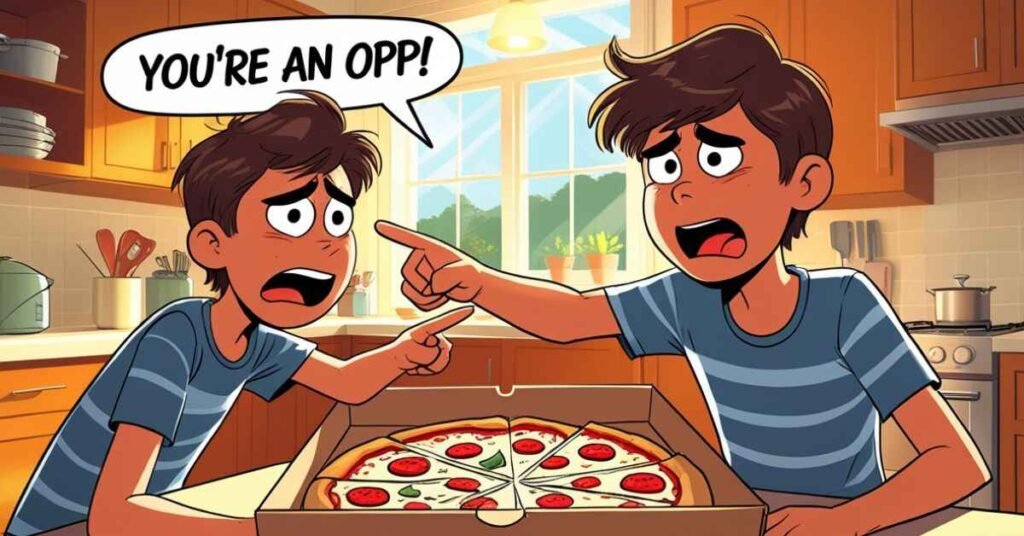
In casual slang, OPP is short for opposition or opponent, basically another way to say enemy or rival. The word took off in hip hop and rap culture first, then made its way into texting and social media, where Gen Z uses it constantly.
Example: “He’s an opp, don’t trust him.”
It’s not always meant seriously either. Plenty of people throw it around jokingly, like calling a sibling an opp for finishing the last slice of pizza.
Other Definitions of OPP
The meaning shifts a lot depending on context. A few other things OPP can stand for:
- Other People’s Property, the original phrase behind the acronym
- Other people’s problems
- Opportunity, in casual or workplace conversations
- Over Powered Player, occasionally used in gaming circles
- An older, more explicit meaning tied to the 1991 Naughty by Nature song of the same name
That last one is mostly a throwback reference at this point. The modern slang usage has moved well past the original song meaning, even though people still bring it up when the word comes up in conversation.
Where the Term Originated
The version of OPP used today traces back to Chicago drill music in the early 2010s. Chief Keef is widely credited with popularizing this usage, particularly through his 2011 track “John Madden.”
From there, artists like Lil Reese, Travis Scott, and Playboi Carti picked it up, helping the term spread beyond Chicago drill and into mainstream hip hop by the mid 2010s.
By 2018, the word had crossed over into everyday internet slang, boosted by artists using it casually on social media. It later reached audiences well outside hip hop entirely, including K-pop fans after BTS member Jimin referenced it in a solo song.
Like a lot of modern slang, OPP has roots in African American Vernacular English (AAVE), and it followed the usual path of spreading through music before becoming part of general internet language.
How OPP Shows Up in Daily Conversations
In Texting and DMs
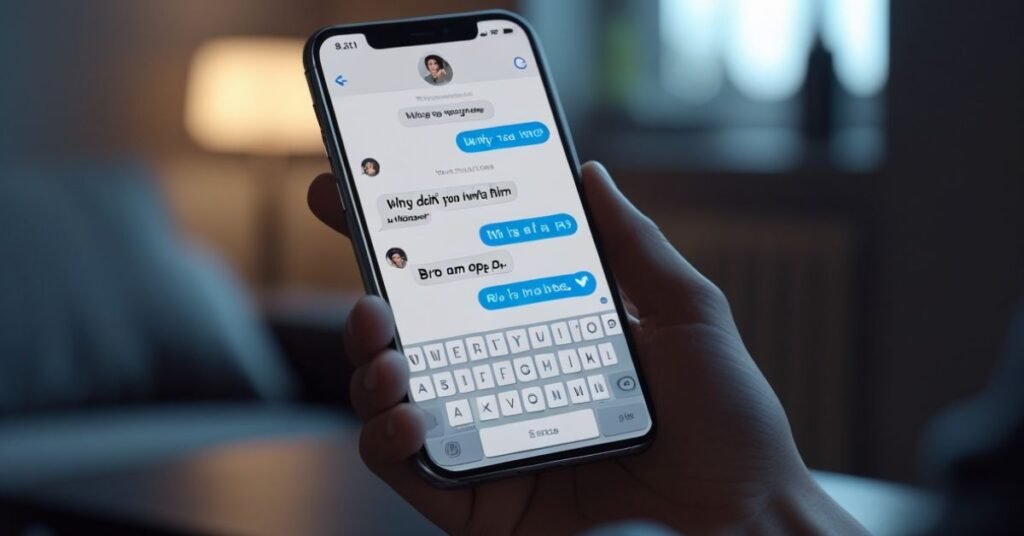
In private chats, OPP usually points to someone the sender doesn’t fully trust or is low-key in conflict with. It’s used casually, without much need for explanation.
Example exchange:
Friend: why didn’t you invite him You: bro is an opp, no thanks
On Social Media
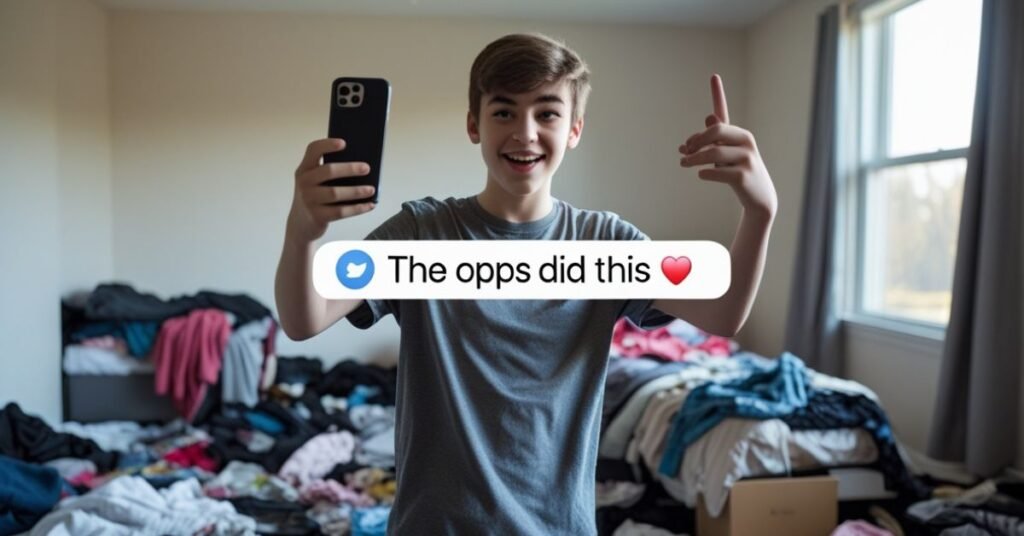
On Instagram, TikTok, and X, the word pops up in captions and comments tied to rivalry or drama, often paired with emojis for extra effect. A lot of the time it’s used for comedic value rather than anything serious, like captioning a messy room “the opps did this.”
In Gaming
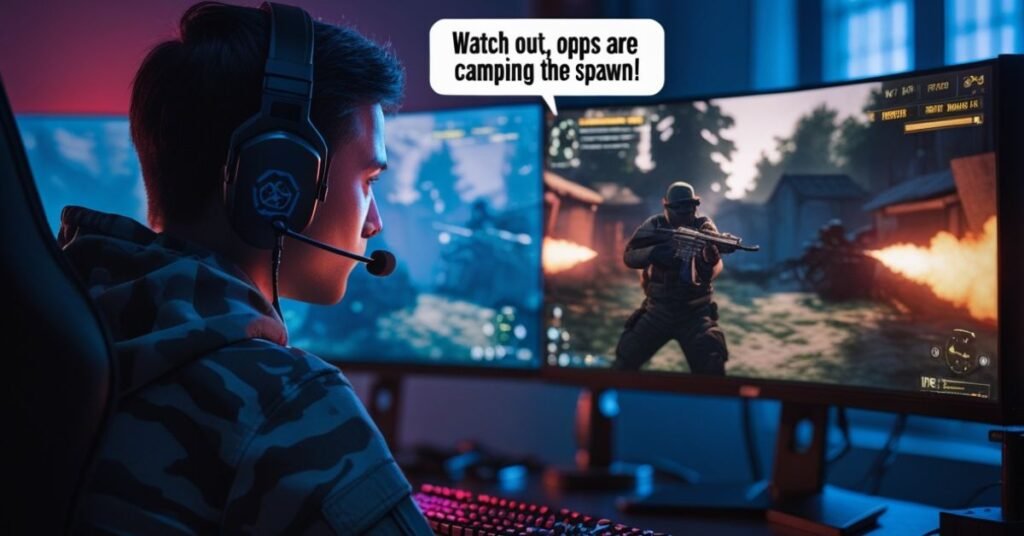
Inside gaming spaces, opp simply means opponent. It’s simply another way of referring to the opposing side or a rival player.
Example: “Watch out, opps are camping the spawn.”
In Music and Lyrics
Since the word has hip hop roots, it still appears constantly in rap and drill lyrics, often describing rivals or people seen as threats. For a lot of younger listeners, this is where they hear the term for the first time, long before using it themselves.
OPP Across Different Apps
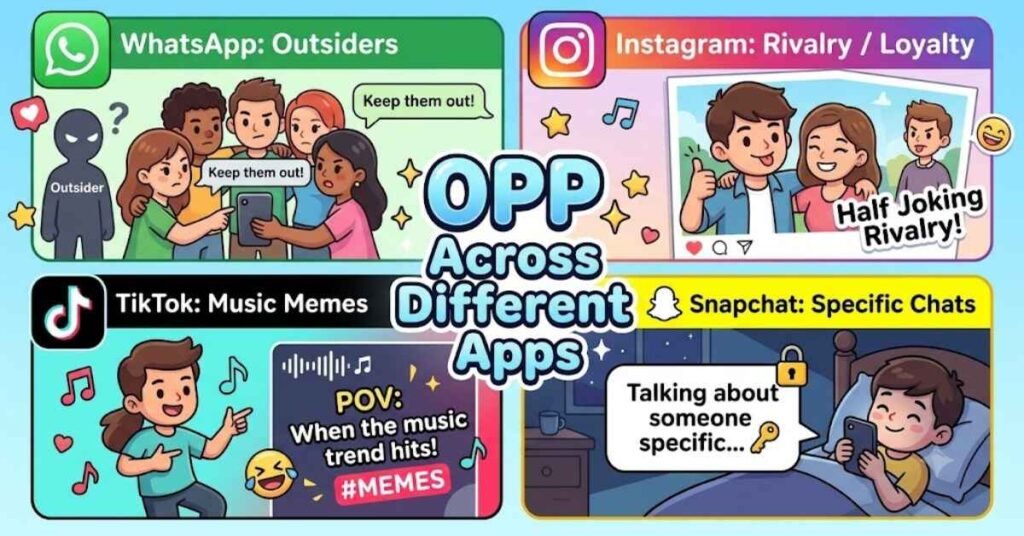
The core meaning stays the same everywhere. What changes is tone and intensity.
| Platform | Typical Usage |
| Refers to outsiders the group doesn’t trust | |
| Half joking captions about rivalry or loyalty | |
| TikTok | Memes, POV videos, comment threads tied to music trends |
| Snapchat | More private, usually about someone specific |
Non-Slang Meanings You Might Not Expect
Outside of internet culture, OPP shows up in a handful of unrelated professional and technical contexts.
| Field | Meaning |
| Government (Canada) | Ontario Provincial Police |
| Engineering | Operational Performance Parameter |
| Business | Shorthand for “opportunity” in notes or reports |
| Medical | Sometimes used for Orthopedic Physical Therapy |
If the abbreviation shows up in a workplace document, it almost certainly has nothing to do with slang. Context makes the difference clear pretty fast.
You can also Read about What Does WYO Mean
How to Reply When Someone Calls You an Opp
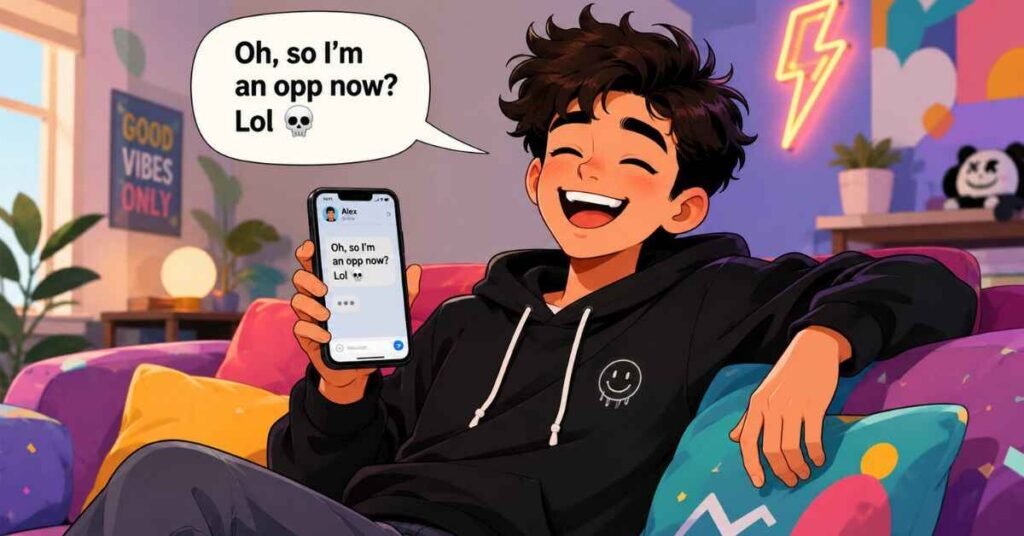
Most of the time, this isn’t something to take seriously. A light, easygoing response usually works fine:
- “Why do you think I’m an opp? 😅”
- “Let’s not start drama lol”
- “No opp energy here, we good”
- “Just minding my business 👍”
These kinds of replies keep the conversation relaxed instead of turning it into an actual argument.
OPP vs OP: The Real Difference
These two get confused often, but they don’t mean the same thing at all.
- OP stands for “overpowered” and is commonly used in gaming to describe something that’s exceptionally strong or difficult to beat.
- OPP means opposition or opponent, referring to a person rather than a mechanic
Example: “That weapon is OP,” whereas “he’s an opp for real” refers to an opponent or rival.
Similar Words With Slightly Different Tones
- Rival, more neutral, often used in sports or business
- Enemy, more formal
- Hater, implies jealousy rather than direct conflict
- Foe, formal and rarely used casually
You can also Read about SPWM Meaning in Text
Is OPP Considered Offensive?
Not automatically. Like most slang, it depends heavily on tone and relationship. Calling a friend an opp for beating you in a game is very different from using it to describe someone you’re actually in conflict with.
The word carries more weight in its original hip hop context, where it could reference real rivalries. In everyday texting, though, it’s usually lighthearted. When unsure how it’ll land, it helps to read the room first.
OPP in Dating and Online Chats
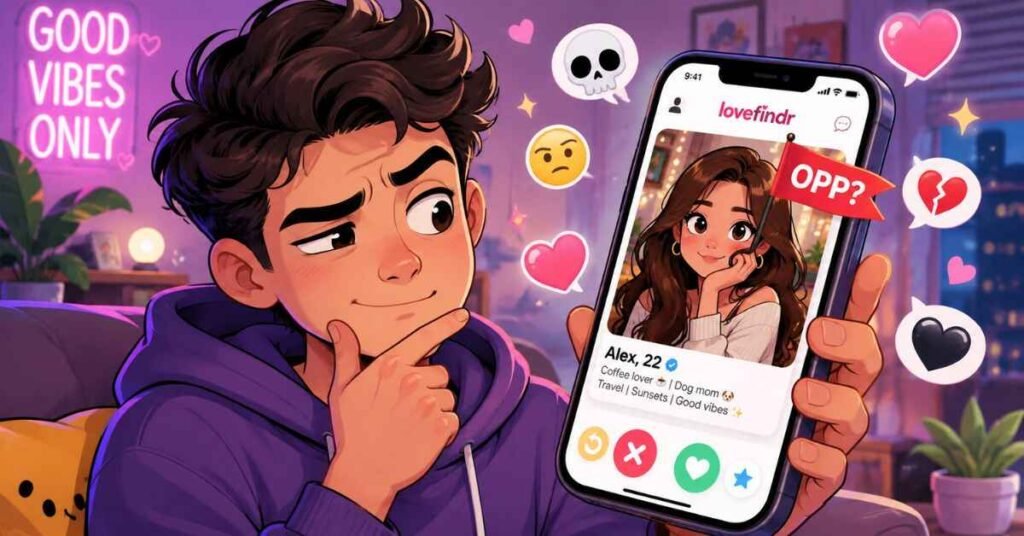
On dating apps, OPP often comes up when people talk about exes or someone who caused drama in a past relationship. It can also describe someone giving off untrustworthy vibes.
Sometimes it flips the other way too, used almost affectionately, like saying “no opp energy” to describe loyalty between two people.
Why the Word Has Stuck Around
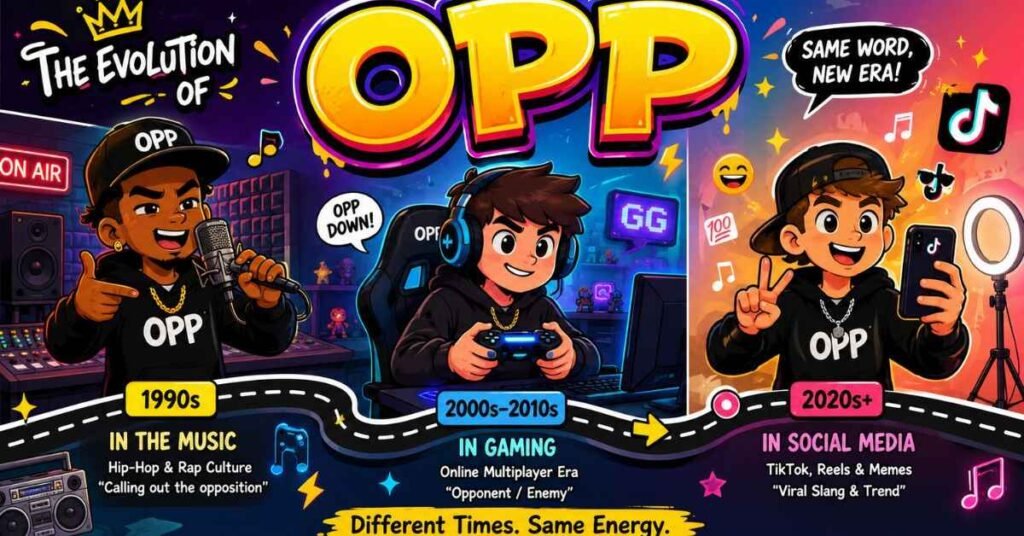
A few overlapping influences have kept OPP relevant for over a decade. Drill and rap music kept it alive in lyrics, gaming communities adopted it for opponents, and TikTok meme culture gave it another life outside of music entirely.
Its popularity tends to spike whenever a viral song or trend brings it back into conversation, which is fairly normal for slang that started in music. It hasn’t faded, it just shifts shape depending on what’s trending.
Real Examples in Sentences
- “Ran into one of my opps at the store completely off guard, couldn’t stop laughing.”
- “Prom night turned into a whole scene, opps everywhere.”
- “We cooked the opps during that group project presentation, ngl.”
- “Why do I have 50-year-old opps at work?” (Yes, people really say this about their coworkers.)
That last one is a solid reminder of how far the word has traveled from its original rap roots.
FAQs
How is opps used in slang? It describes enemies, rivals, or people someone is in conflict with, often used casually or jokingly rather than seriously.
Is it “opps” or “ops” slang? The correct slang spelling is “opps,” short for opposition. “Ops” without the extra P usually refers to something unrelated, like military operations.
What does OPP mean in Gen Z slang? It usually points to someone Gen Z is beefing with or doesn’t trust, whether that’s serious or just a joke between friends.
What is opps slang for on TikTok? Same meaning as everywhere else, referring to rivals or enemies, often shown up in captions and comments tied to music trends.
Is OPP a bad word? Not necessarily. It depends entirely on tone and context, and can be lighthearted or genuinely negative.
What does OPP mean in texting? It refers to someone the sender doesn’t trust or considers an opponent.
What does OPP mean in songs? Older music referenced “other people’s property,” but modern rap and drill typically use it to mean opposition or rivals.
Is OPP the same as OP? No. OP means overpowered, usually in gaming. OPP means opposition or opponent, referring to another person.
Conclusion
OPP is one of those words that shifts meaning based on where it shows up and who’s saying it. Most of the time, it simply means opponent or rival, whether that’s in a text, a caption, or a rap lyric. Outside of slang, it can mean something entirely unrelated, so context always matters more than the abbreviation itself.